
Why Does My Pond Turn Green? Causes and Solutions for Algae Overgrowth
January 5, 2026

A healthy, clear pond is a centerpiece of any landscape, offering aesthetic beauty, ecological balance, and a serene environment for wildlife. However, many pond owners face a common challenge: green water caused by algae overgrowth. Algae blooms can transform a pristine pond into an unsightly, murky green mess, affecting both the visual appeal and the overall health of the aquatic ecosystem. Understanding why this occurs is crucial for effective prevention and treatment, ensuring that your pond remains a safe, inviting, and balanced habitat.
Algae growth in ponds is often the result of complex interactions between sunlight, nutrient levels, and water circulation. While small amounts of algae are normal and even beneficial, excessive growth can signal underlying issues that need attention. Addressing these causes proactively can prevent long-term damage, reduce maintenance costs, and support a thriving aquatic environment. This guide explores the primary factors contributing to green pond water, offers practical solutions, and provides expert insights to help pond owners restore clarity and maintain the health of their water feature. Whether you are a seasoned pond enthusiast or a new homeowner, understanding the causes and remedies for algae overgrowth is essential for a sustainable, visually appealing pond.
Natural and Chemical Solutions
Introducing Beneficial Bacteria
Beneficial bacteria are an effective, eco-friendly method for controlling algae. These microorganisms consume organic matter, nitrogen, and phosphorus, reducing the nutrients available for algae. Over time, beneficial bacteria improve water clarity, support fish health, and balance the aquatic ecosystem.
Application Tips: Use bacterial treatments regularly, following manufacturer instructions. They work best when combined with mechanical filtration and proper aeration.
Algaecides and Chemical Treatments
Algaecides offer a faster solution for severe algae blooms but should be used with caution. They can harm fish and plants if applied incorrectly. Selecting a product specifically designed for the type of algae present is essential.
Expert Advice: Always test water parameters before applying chemicals. Use algaecides as a last resort, and follow all safety guidelines to protect aquatic life and maintain ecological balance.
Physical and Mechanical Approaches
Regular pond maintenance, including skimming debris, vacuuming sediments, and trimming overgrown plants, reduces nutrient sources and minimizes algae-friendly conditions. Installing pond netting during leaf-heavy seasons can also prevent organic matter from entering the water.
Benefit: Combining physical removal with preventive methods like aeration and bacterial treatments creates a comprehensive strategy for long-term pond clarity.
Preventive Strategies for Long-Term Pond Health
Plant Management and Landscaping
Incorporating native aquatic plants not only adds beauty but also competes with algae for nutrients. Marginal plants, floating plants, and submerged oxygenators create a balanced ecosystem, providing shade, oxygen, and shelter for fish.
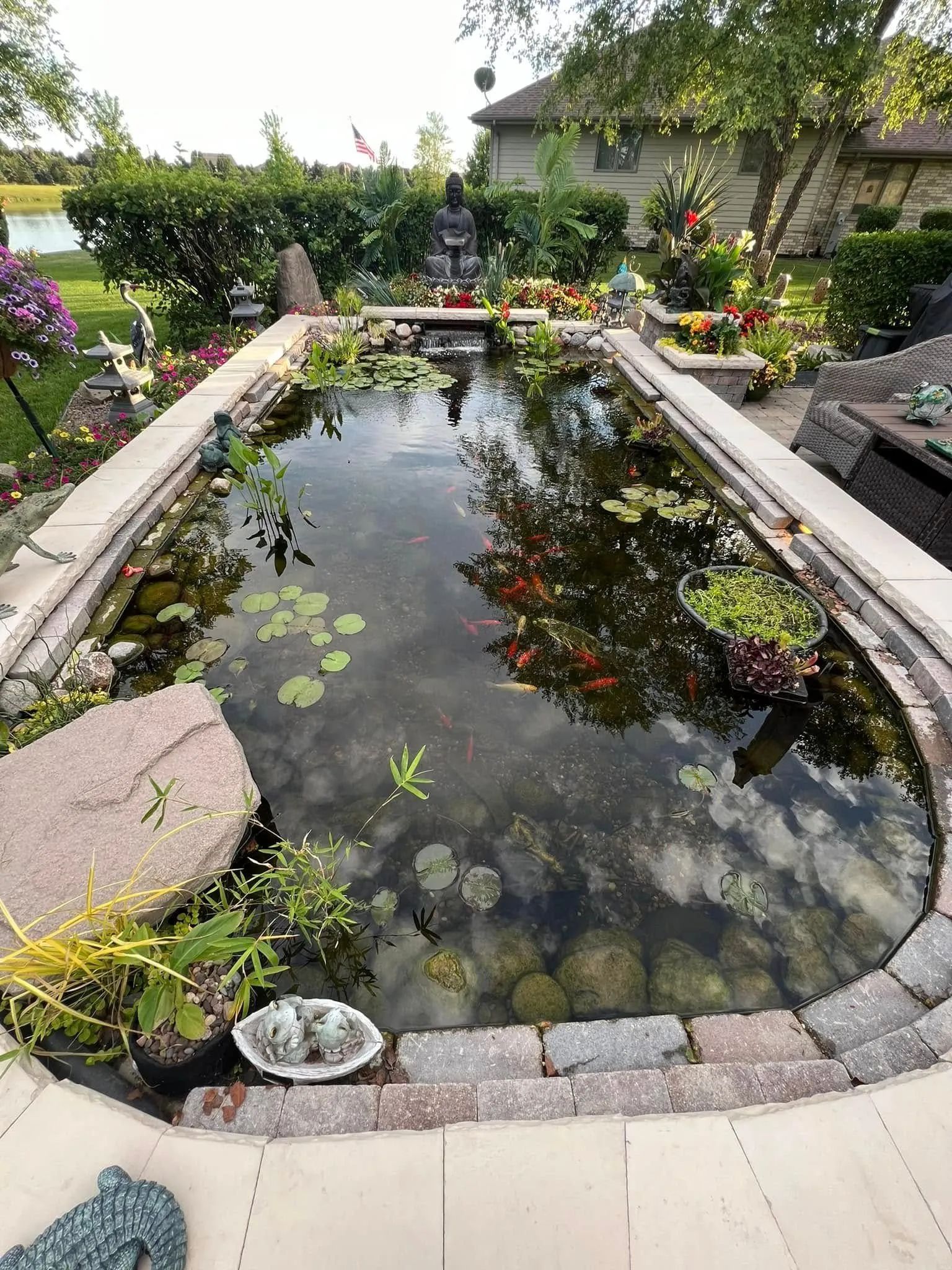
Scenario: A backyard pond with water lilies and submerged plants maintained a clear, vibrant appearance throughout summer, reducing reliance on chemical treatments.
Balanced Fish Stocking
Overstocking ponds with fish increases waste, adding nutrients that promote algae growth. Maintaining appropriate fish populations according to pond size ensures that waste levels remain manageable, minimizing the risk of algae blooms.
Best Practice: Calculate pond capacity carefully and consider fish feeding habits. Uneaten food contributes significantly to nutrient buildup, so feed fish in moderation.
Seasonal Maintenance Routine
Establishing a year-round maintenance schedule helps prevent algae problems before they escalate. Key practices include spring clean-ups, summer nutrient monitoring, and fall debris
removal. Regular testing of water pH, ammonia, and phosphate levels allows for timely interventions and sustainable pond management.
Innovative Technologies and Expert Advice
UV Clarifiers
UV clarifiers are an increasingly popular solution for pond owners. By exposing water to ultraviolet light, these devices eliminate free-floating algae, improving clarity without altering the pond’s ecosystem. UV systems are particularly effective when combined with mechanical filtration and aeration, offering a chemical-free method for consistent water quality.
Smart Monitoring Systems
Emerging technologies, such as smart water monitoring devices, help pond owners track nutrient levels, temperature, and pH in real time. These systems can provide early warnings of potential algae blooms, allowing for timely interventions and reduced maintenance efforts.
Expert Insight: Proactive monitoring and integrated management strategies significantly reduce algae outbreaks, promoting a healthier, more visually appealing pond with minimal intervention.
Clear Water Starts With Expert Care
Maintaining a clear, healthy pond requires understanding the factors that contribute to algae overgrowth. Excess nutrients, sunlight, water stagnation, temperature fluctuations, and environmental runoff all play a role in turning pond water green. By combining preventive strategies, such as proper filtration, aeration, balanced fish stocking, and plant management, pond owners can significantly reduce algae blooms. Natural and chemical treatments, when used correctly, provide additional tools for controlling algae and restoring water clarity.
TCB Environmental LLC, located in Peotone, Illinois, brings 18 years of experience in pond maintenance, water quality management, and environmental solutions. Our team understands the complex dynamics that lead to algae overgrowth and offers comprehensive services tailored to your pond’s unique needs. From water testing and filtration system installation to eco-friendly algae control, we ensure long-term pond health and clarity. Homeowners and commercial clients alike trust TCB Environmental LLC
for
professional, reliable, and effective
solutions that preserve the beauty, ecological balance, and functionality of every water feature we manage.
Understanding the Causes of Green Pond Water
Excessive Nutrients: Nitrogen and Phosphorus
Algae thrive on nutrients, particularly nitrogen and phosphorus, which are commonly found in fertilizers, lawn runoff, and organic debris. When these nutrients accumulate in the water, they act as a food source for algae, triggering rapid growth known as an algae bloom. Excess nutrients often result from over-fertilized lawns, nearby gardens, or improperly managed pond edges where leaves, grass clippings, and other organic matter can decompose directly in the water.
Real-World Scenario: In suburban neighborhoods, homeowners often notice their ponds turning green in late spring or early summer. This timing coincides with increased fertilizer use on lawns and gardens. Rainfall washes these nutrients into nearby ponds, creating ideal conditions for algae overgrowth.
Best Practices: Limit the use of chemical fertilizers near your pond and establish a buffer zone of native plants to absorb runoff. Regularly remove organic debris from the water surface to reduce nutrient accumulation.
Excessive Sunlight
Sunlight is another major factor that encourages algae growth. Algae are photosynthetic organisms, meaning they use sunlight to convert nutrients into energy and reproduce. Ponds exposed to direct sunlight for most of the day are particularly susceptible to algae blooms. Shallow ponds warm up faster, which can accelerate algae reproduction and make the water appear greener in color.
Solution: Introduce aquatic plants such as lilies or floating plants like water lettuce. These plants provide natural shade, reducing sunlight penetration and inhibiting algae growth. Adding a pond aerator or fountain can also help by circulating water and creating areas less conducive to algae accumulation.
Types of Algae and Their Impact
Green Water Algae (Phytoplankton)
Green water algae are microscopic single-celled organisms that remain suspended in the water column, giving the pond a uniform green appearance. While generally harmless, excessive concentrations can deplete oxygen levels, threatening fish and other aquatic life.
Example: A koi pond may look vibrant at first, but when green water algae bloom unchecked, fish may become stressed due to reduced oxygen, making them more vulnerable to disease.
Actionable Insight: Use a UV clarifier, which exposes water to ultraviolet light, effectively killing free-floating algae. UV systems are particularly effective for small to medium-sized ponds and offer a chemical-free solution.
Filamentous Algae
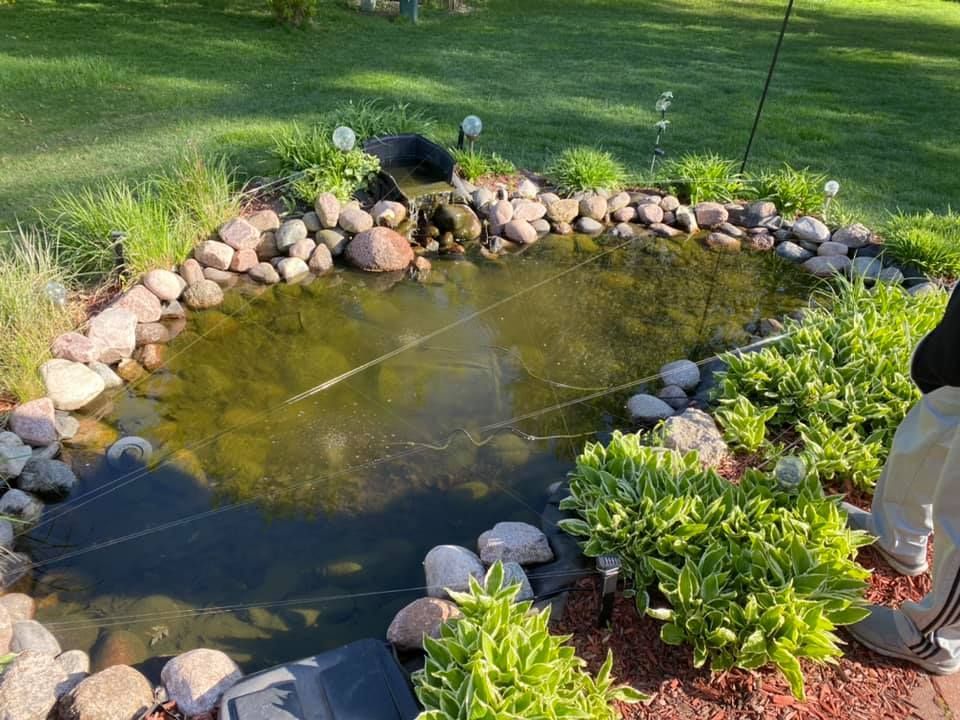
Unlike green water algae, filamentous algae form stringy, hair-like mats that float on the water surface or attach to rocks and plants. This type can interfere with water circulation, trap debris, and create breeding grounds for pests.
Solution: Manual removal is often necessary. Pull out the filamentous algae using a rake or net, ensuring to dispose of it outside the pond area to prevent reintroduction. Incorporate barley straw or natural enzyme-based treatments, which inhibit algae growth without harming fish or plants.
Water Quality Management
Maintaining Proper Filtration
An efficient pond filtration system is critical for controlling algae. Filters remove excess nutrients, suspended debris, and particulate matter that fuel algae growth. Mechanical filters capture solid waste, while biological filters encourage beneficial bacteria that break down nitrogenous compounds, reducing nutrient availability for algae.
Best Practice: Select a filtration system appropriate for the pond’s size and stocking density. Regularly clean and maintain filters to ensure optimal performance.
Aeration and Water Circulation
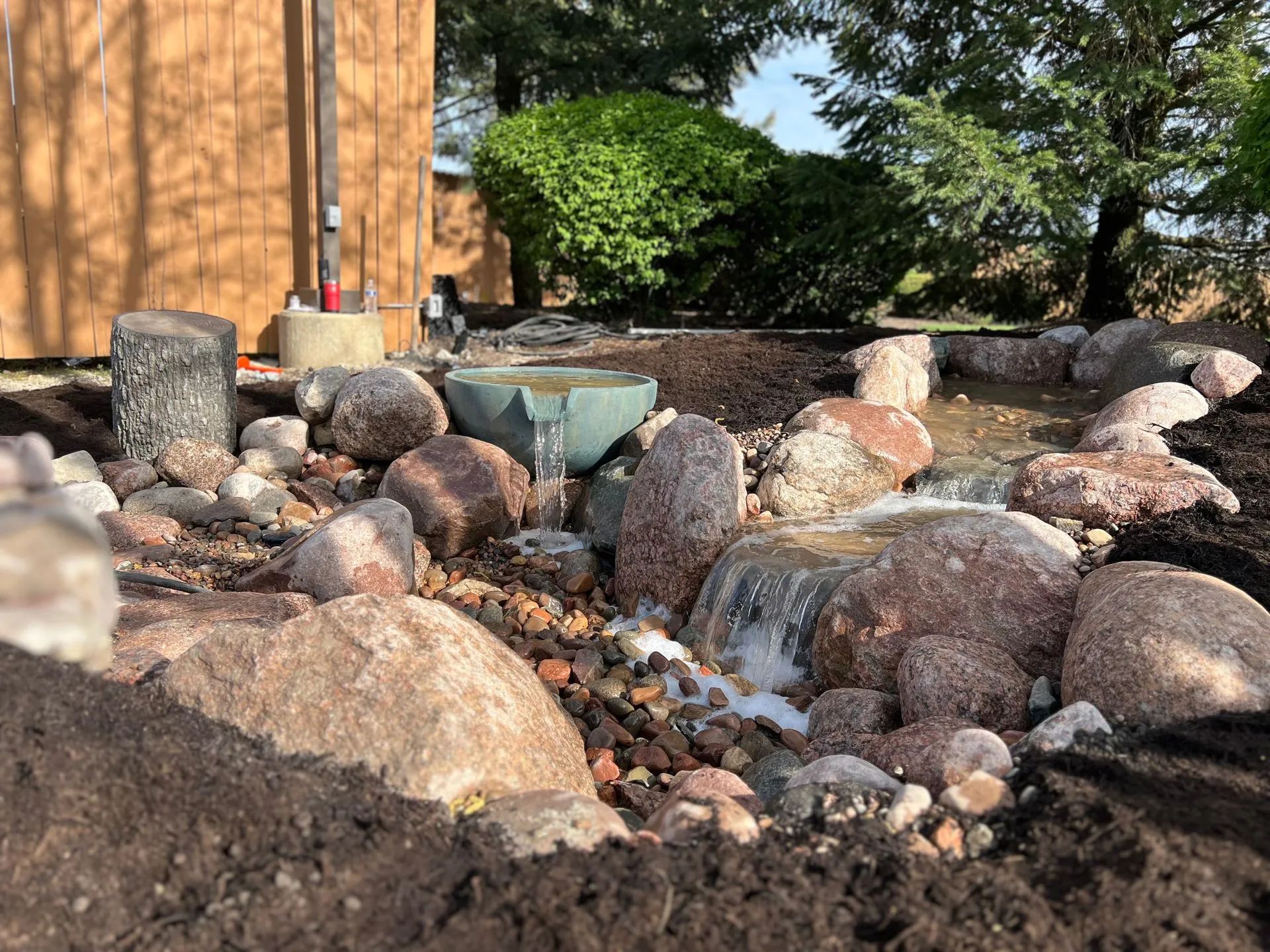
Stagnant water provides an ideal environment for algae to flourish. Proper circulation distributes oxygen throughout the pond, supports beneficial bacteria, and discourages algae from forming dense mats. Aeration devices such as fountains, waterfalls, or air pumps improve circulation and enhance overall water quality.
Challenge: In larger ponds, ensuring consistent aeration can be more complex. Strategic placement of aerators or multiple devices may be necessary to prevent dead zones where algae can thrive.
Environmental and Seasonal Factors
Temperature Fluctuations
Algae growth often accelerates during warmer months when pond temperatures rise. Heat promotes photosynthesis and speeds up nutrient cycling, which can lead to sudden, intense algae blooms. Conversely, cooler temperatures slow algae reproduction, often giving pond owners a natural period of water clarity during winter.
Example: A pond in Illinois may experience green water algae from late spring through early fall, with visible improvement as temperatures drop.
Proactive Measure: During warmer months, monitor nutrient levels and use preventive treatments such as natural enzymes or UV clarifiers to reduce algae growth before it becomes severe.
Rainfall and Runoff
Heavy rainfall can wash excessive nutrients, debris, and sediments into your pond. This sudden nutrient influx can trigger algae blooms, especially if the pond lacks adequate filtration or plant buffers. Managing stormwater and runoff is crucial for long-term pond health.
Solution: Install rain gardens, swales, or vegetative buffers around the pond to absorb nutrients before they enter the water. Divert gutters and drainage systems away from the pond whenever possible.