
What’s the Difference Between a Pond, Pondless Waterfall, and Fountain?

December 17, 2025

Water features have long been a hallmark of aesthetically pleasing landscapes, offering both visual appeal and a calming atmosphere. From sprawling backyard ponds to elegant fountains and innovative pondless waterfalls, homeowners and property developers now have multiple options to enhance outdoor spaces. Choosing the right water feature can significantly impact not only the overall ambiance of a property but also maintenance requirements, safety considerations, and long-term sustainability. Understanding the differences between these features is essential for making informed decisions that align with personal preferences, functional needs, and budget.


While all water features share the common goal of introducing tranquility and elegance into a space, they each operate differently and bring unique advantages. A traditional pond serves as a habitat and focal point, a pondless waterfall offers a dynamic water experience without standing water, and a fountain emphasizes movement and sound through water jets. Recognizing these distinctions can help homeowners, landscapers, and designers select a water feature that complements both the aesthetic and practical needs of a property. This guide provides a detailed comparison of ponds, pondless waterfalls, and fountains, exploring their design considerations, benefits, challenges, and best practices to ensure a long-lasting, visually appealing installation.

Final Thoughts on Outdoor Water Feature Selection

Choosing the right water feature depends on a combination of space, design preference, maintenance capability, safety concerns, and budget. Traditional ponds offer serene beauty and ecological benefits but require higher maintenance and careful safety planning. Pondless waterfalls provide dynamic visual and auditory appeal with lower maintenance and minimal standing water, making them ideal for smaller or sloped areas. Fountains offer elegance, movement, and sound in compact spaces, requiring moderate upkeep but delivering striking aesthetic impact. Understanding the unique characteristics of each option allows homeowners and designers to make informed decisions, ensuring the water feature enhances both the property’s functionality and visual appeal.


For over 18 years, TCB Environmental LLC in Peotone, Illinois, has specialized in designing, installing, and maintaining high-quality water features that elevate outdoor spaces. Our experienced team combines technical expertise with creative design, delivering ponds, pondless waterfalls, and fountains tailored to each client’s vision. We prioritize sustainable practices, efficient maintenance, and long-lasting performance, ensuring every installation enhances both beauty and functionality. Whether creating a tranquil backyard retreat or a visually striking commercial landscape, we are committed to excellence, reliability, and client satisfaction, making us a trusted authority in water feature solutions.

1. Understanding Traditional Ponds

What is a Pond?

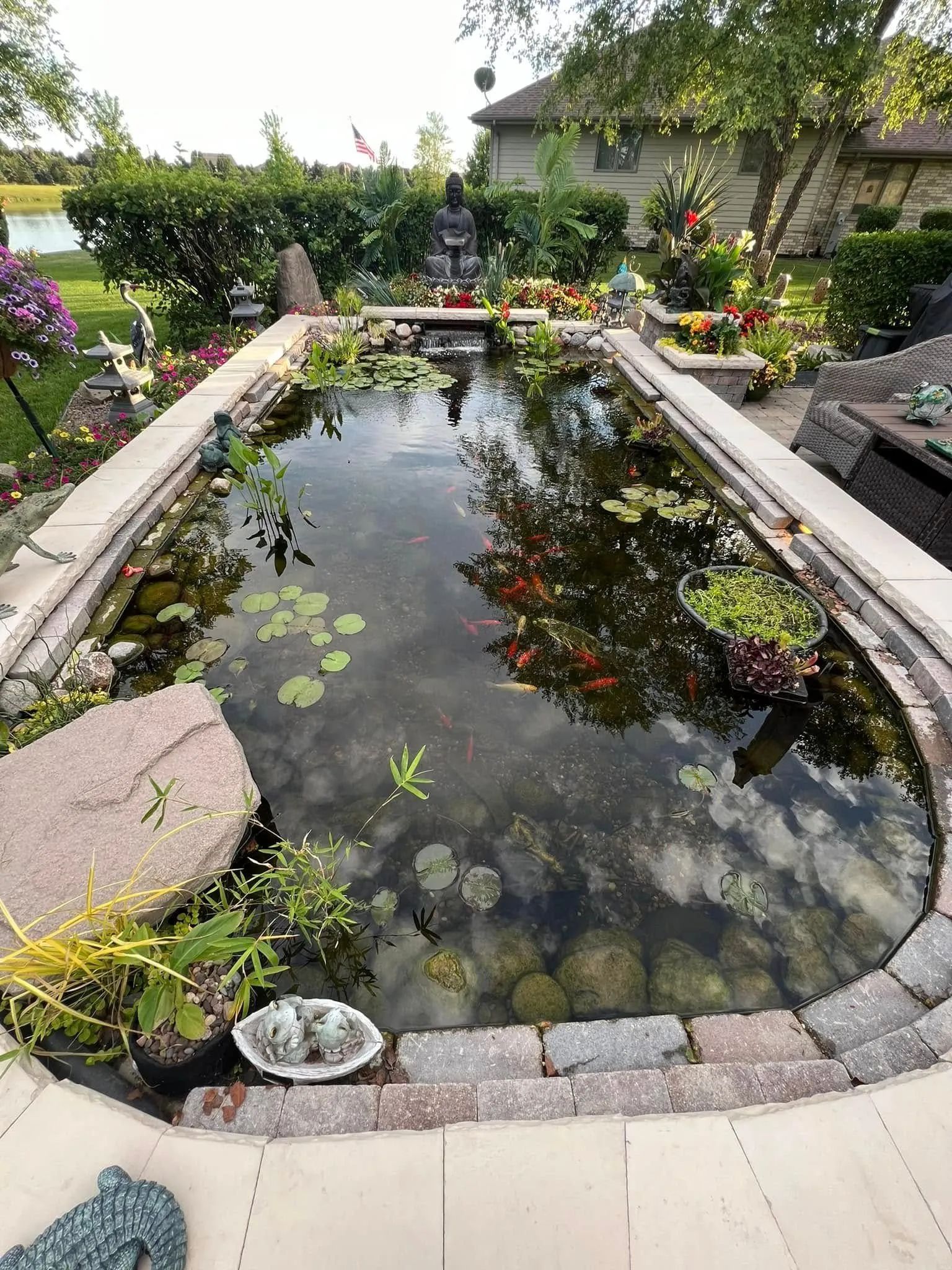
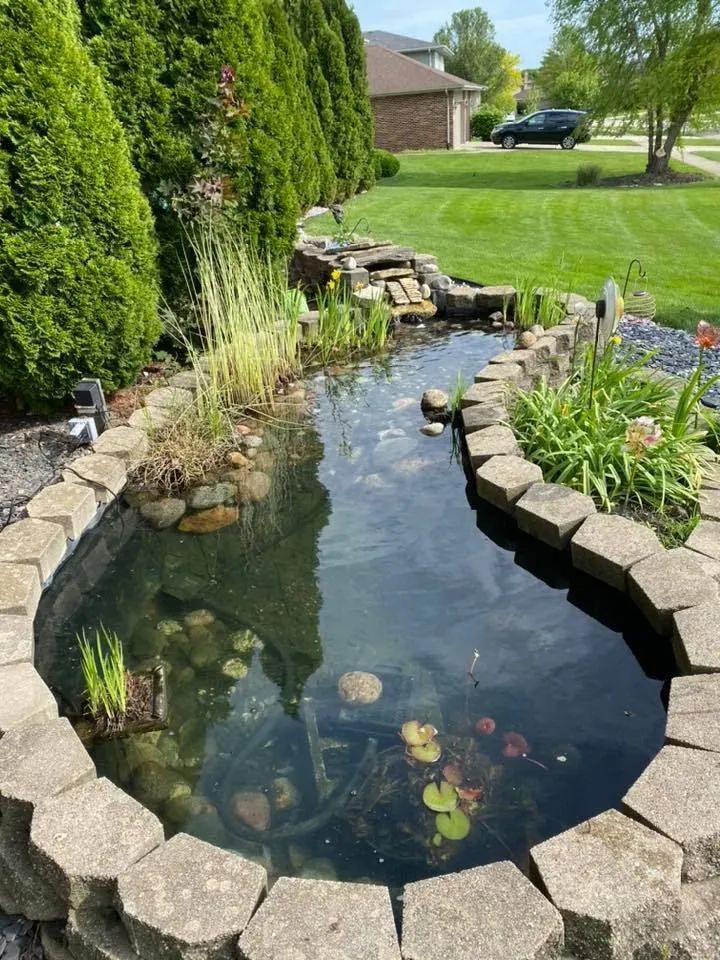
A pond is a body of water, typically artificial in residential or commercial landscapes, designed to hold water permanently. Ponds vary in size, shape, and depth, ranging from small backyard installations to larger ornamental or naturalistic water bodies. They often incorporate aquatic plants, fish, and decorative elements to enhance the ecosystem and overall aesthetic appeal.


Benefits of Ponds

Ponds provide multiple benefits. They create a serene environment that can serve as a focal point for gardens, patios, or outdoor living spaces. Ponds also support local wildlife by attracting birds, frogs, and beneficial insects. For those interested in gardening or aquaculture, ponds offer opportunities to cultivate aquatic plants or maintain a fish habitat. Moreover, the reflective quality of water adds a sense of space and depth to outdoor areas, improving the overall landscape design.


Challenges and Considerations

Despite their appeal, ponds come with several challenges. Maintenance is a key concern, including regular cleaning, algae control, water circulation, and ensuring a balanced ecosystem. Safety is another consideration, especially in homes with small children or pets, as the presence of standing water presents drowning risks. Ponds also require proper liner installation to prevent leakage, and additional equipment like pumps and filters may be necessary to sustain water quality.


Best Practices for Ponds

When designing a pond, it is essential to plan for size, depth, and placement carefully. Incorporating a natural slope or multiple depth zones can support aquatic life and improve water circulation. Installing a reliable filtration system and considering seasonal water changes will minimize maintenance. Strategically placing plants around and within the pond enhances aesthetic appeal while providing natural filtration and wildlife habitat. Finally, including safety features such as barriers or fencing is recommended for family-friendly environments.

2. Exploring Pondless Waterfalls

What is a Pondless Waterfall?

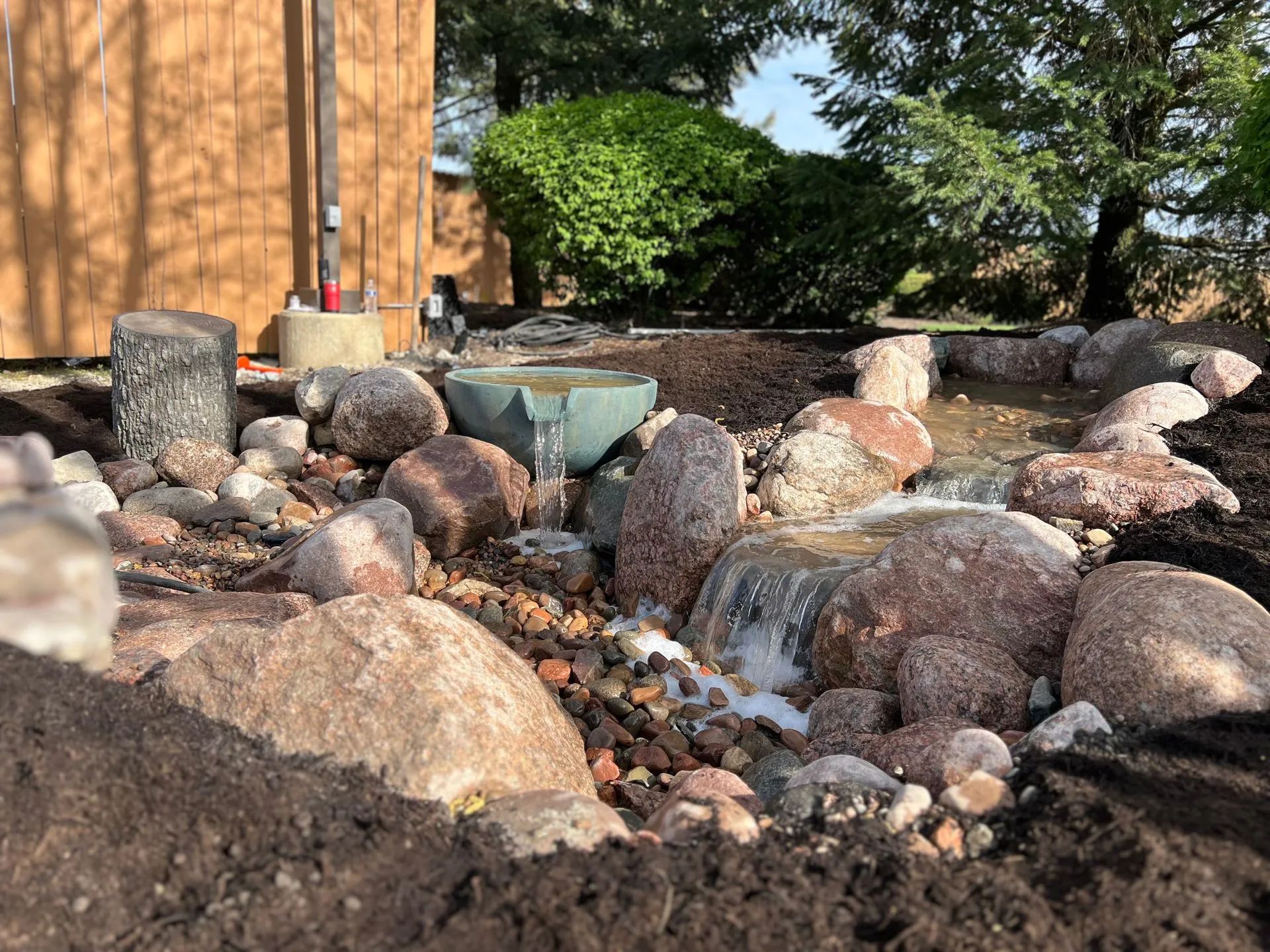
A pondless waterfall is a water feature designed to create the visual and auditory effect of flowing water without a permanent pond at the base. Instead, water cascades over rocks or a constructed spillway and disappears into a hidden reservoir below, where it is recirculated by a pump. This design provides the beauty of a waterfall while eliminating the need for standing water.


Benefits of Pondless Waterfalls

Pondless waterfalls are ideal for homeowners who desire a dramatic water feature but are concerned about safety or maintenance. Since there is no exposed pond, risks related to drowning or stagnant water are eliminated. Pondless waterfalls are also relatively low-maintenance compared to traditional ponds, as they do not require extensive filtration or pond cleaning. Additionally, their smaller footprint allows installation in areas with limited space or challenging terrain. The sound of cascading water also provides natural white noise that can mask street sounds and create a relaxing environment.


Challenges and Considerations

Despite their advantages, pondless waterfalls require careful design to ensure proper water circulation and aesthetic appeal. The hidden reservoir must be sized correctly to accommodate the water volume, and pumps must be selected based on height and flow requirements. Energy consumption is another factor, as the pump operates continuously when the feature is in use. While maintenance is lower than ponds, periodic checks for debris, algae, and pump performance are necessary.


Best Practices for Pondless Waterfalls

Optimal pondless waterfall design includes a well-engineered spillway, stable rock placement, and durable construction materials resistant to weathering. Selecting energy-efficient pumps and incorporating timers can reduce operating costs. Regular inspections of the reservoir and surrounding rockwork ensure the system functions smoothly and retains its visual appeal. Landscaping around the feature with native plants and ground cover enhances integration with the surrounding environment and improves natural aesthetics.

3. Fountains: Water in Motion

What is a Fountain?

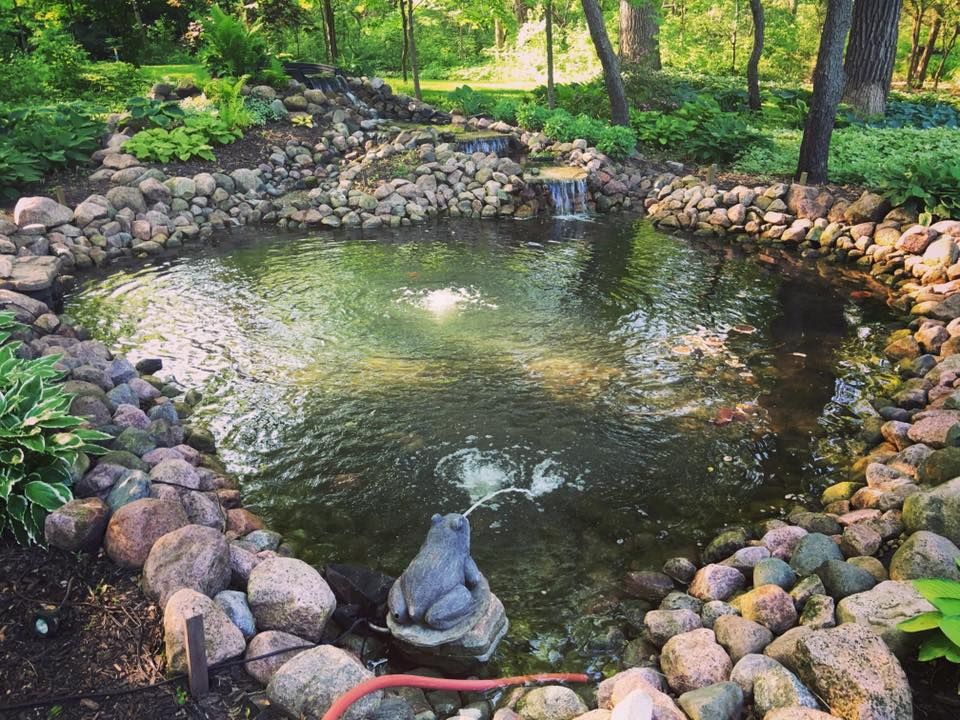
A fountain is a water feature that propels water into the air through jets or nozzles, often creating visually intricate patterns or rhythmic streams. Fountains can vary from small tabletop units to large-scale outdoor installations, including formal or abstract designs. Unlike ponds and pondless waterfalls, fountains emphasize movement and visual spectacle over creating a habitat.

Benefits of Fountains

Fountains offer multiple advantages, particularly in urban and compact landscapes. The movement of water helps aerate and circulate water, reducing stagnation and preventing algae buildup. The sound of flowing water can create a peaceful atmosphere while masking urban noise. Fountains are highly customizable, allowing for adjustable jets, lighting, and seasonal décor changes. They also require less space than ponds and pondless waterfalls, making them suitable for courtyards, terraces, and public plazas.

Challenges and Considerations

While fountains are visually striking, they do require regular maintenance. Pumps, nozzles, and filters must be checked and cleaned to prevent blockages and ensure consistent water flow. In colder climates, fountains must be winterized to prevent damage from freezing temperatures. Water usage and evaporation should also be considered, as fountains require a constant water supply to maintain proper operation.

Best Practices for Fountains

For long-term success, selecting high-quality pumps and corrosion-resistant materials is essential. Regular cleaning schedules prevent mineral buildup and maintain water clarity. Strategic placement enhances the visual impact while ensuring sound levels remain pleasant rather than overwhelming. Incorporating lighting can accentuate water patterns at night, and combining fountains with surrounding landscaping creates a cohesive design element.

4. Comparing the Three Water Features

Space and Design Considerations

When choosing between a pond, pondless waterfall, and fountain, space is a primary factor. Ponds generally require the largest footprint and are suitable for open landscapes. Pondless waterfalls offer flexibility for smaller yards or uneven terrain, while fountains are ideal for compact spaces or formal gardens. Design style also plays a role: ponds lend a natural, tranquil appearance; waterfalls emphasize movement and drama; fountains highlight symmetry and elegance.

Maintenance and Upkeep

Maintenance requirements vary significantly across these features. Ponds demand the most attention, including cleaning, water quality management, and wildlife care. Pondless waterfalls require less frequent maintenance, mainly focused on pump operation and reservoir inspections. Fountains are relatively low-maintenance but need occasional cleaning and winterization. Homeowners should assess their willingness to invest time and resources into upkeep before selecting a feature.

Safety and Environmental Impact

Safety concerns are particularly relevant for families with children or pets. Ponds present a drowning risk, whereas pondless waterfalls and fountains mitigate this concern. Environmental considerations include water usage, energy consumption, and ecological effects. Ponds can support wildlife, but also may require chemical treatments for algae. Pondless waterfalls and fountains have lower water requirements but rely on continuous pumping, which consumes energy.

Cost Implications

Cost is another differentiating factor. Ponds generally have higher installation and long-term maintenance expenses due to excavation, liners, filtration, and ecosystem management. Pondless waterfalls may involve moderate costs for excavation, rockwork, and pumps, with lower ongoing maintenance. Fountains often have lower installation costs, particularly for pre-fabricated units, though large-scale custom fountains can be expensive. Budgeting should consider both initial outlay and operational costs over time.

A small, murky pond surrounded by rocks and greenery in a grassy backyard.
January 5, 2026
A healthy, clear pond is a centerpiece of any landscape, offering aesthetic beauty, ecological balance, and a serene environment for wildlife.
A rectangular stone-lined pond with koi fish, a small waterfall, and surrounding greenery.
November 12, 2025
A backyard pond is more than just a beautiful landscape feature—it’s a miniature ecosystem. Fish, plants, and microorganisms all rely on clean, well-oxygenated water to thrive. Yet many pond owners overlook one crucial component: a filtration system.
A small, stone-lined pond with dark water, set in a garden bed.
October 4, 2025
A backyard pond is more than just a decorative element—it’s a vibrant ecosystem that brings life, movement, and tranquility to your outdoor space. Flowing water attracts birds and beneficial insects, while the gentle sound of rippling water creates a calming atmosphere for relaxation.
Show More
A small, murky pond surrounded by rocks and greenery in a grassy backyard.
January 5, 2026
A healthy, clear pond is a centerpiece of any landscape, offering aesthetic beauty, ecological balance, and a serene environment for wildlife.
A rectangular stone-lined pond with koi fish, a small waterfall, and surrounding greenery.
November 12, 2025
A backyard pond is more than just a beautiful landscape feature—it’s a miniature ecosystem. Fish, plants, and microorganisms all rely on clean, well-oxygenated water to thrive. Yet many pond owners overlook one crucial component: a filtration system.
A small, stone-lined pond with dark water, set in a garden bed.
October 4, 2025
A backyard pond is more than just a decorative element—it’s a vibrant ecosystem that brings life, movement, and tranquility to your outdoor space. Flowing water attracts birds and beneficial insects, while the gentle sound of rippling water creates a calming atmosphere for relaxation.
Show More