
Can You Keep Fish in a Backyard Pond All Year Round?
March 9, 2026

Backyard ponds are more than just decorative elements—they provide a serene ecosystem, a relaxing retreat, and an opportunity to observe aquatic life up close. Many homeowners and garden enthusiasts dream of maintaining a pond stocked with vibrant fish throughout the year. However, keeping fish healthy and thriving in a backyard pond year-round requires careful planning, consistent maintenance, and a thorough understanding of seasonal changes. Without proper care, fish can face stress, illness, or even mortality during extreme temperatures.
The ability to sustain fish through all four seasons is influenced by several factors, including pond size, depth, species of fish, water quality, and climate conditions. This topic has gained significant attention among pond owners, landscapers, and aquaculture enthusiasts, particularly in regions that experience harsh winters or sweltering summers. By understanding the biological and environmental requirements of pond fish, along with practical management strategies, homeowners can create a resilient and balanced aquatic ecosystem. This guide explores the challenges, best practices, and expert insights necessary to maintain fish in a backyard pond year-round, offering actionable advice to help fish owners safeguard the health of their pond inhabitants through every season.
Preventing and Managing Common Pond Diseases
Identifying Early Signs of Illness
Pond fish are susceptible to various diseases, particularly when stressed by temperature fluctuations or poor water quality. Early detection is critical. Signs of illness may include changes in swimming behavior, visible lesions, loss of appetite, or clamped fins. Routine observation allows pond owners to act quickly, preventing disease spread.
Isolation of sick fish in quarantine tanks, adjusting water chemistry, and maintaining optimal temperature and oxygen levels are effective measures to control outbreaks. Consulting aquatic veterinarians or experienced pond professionals can provide targeted treatment strategies for specific conditions.
Preventive Health Measures
Preventing disease is always preferable to treatment. Maintaining clean water, balanced nutrition, and appropriate stocking densities reduces stress and supports immune function. Seasonal pond maintenance, including debris removal, filter cleaning, and partial water changes, strengthens overall fish resilience. Additionally, introducing beneficial microorganisms can create a natural defense against pathogens, ensuring fish remain healthy year-round.
Enhancing Pond Ecosystem Stability
The Role of Aquatic Plants
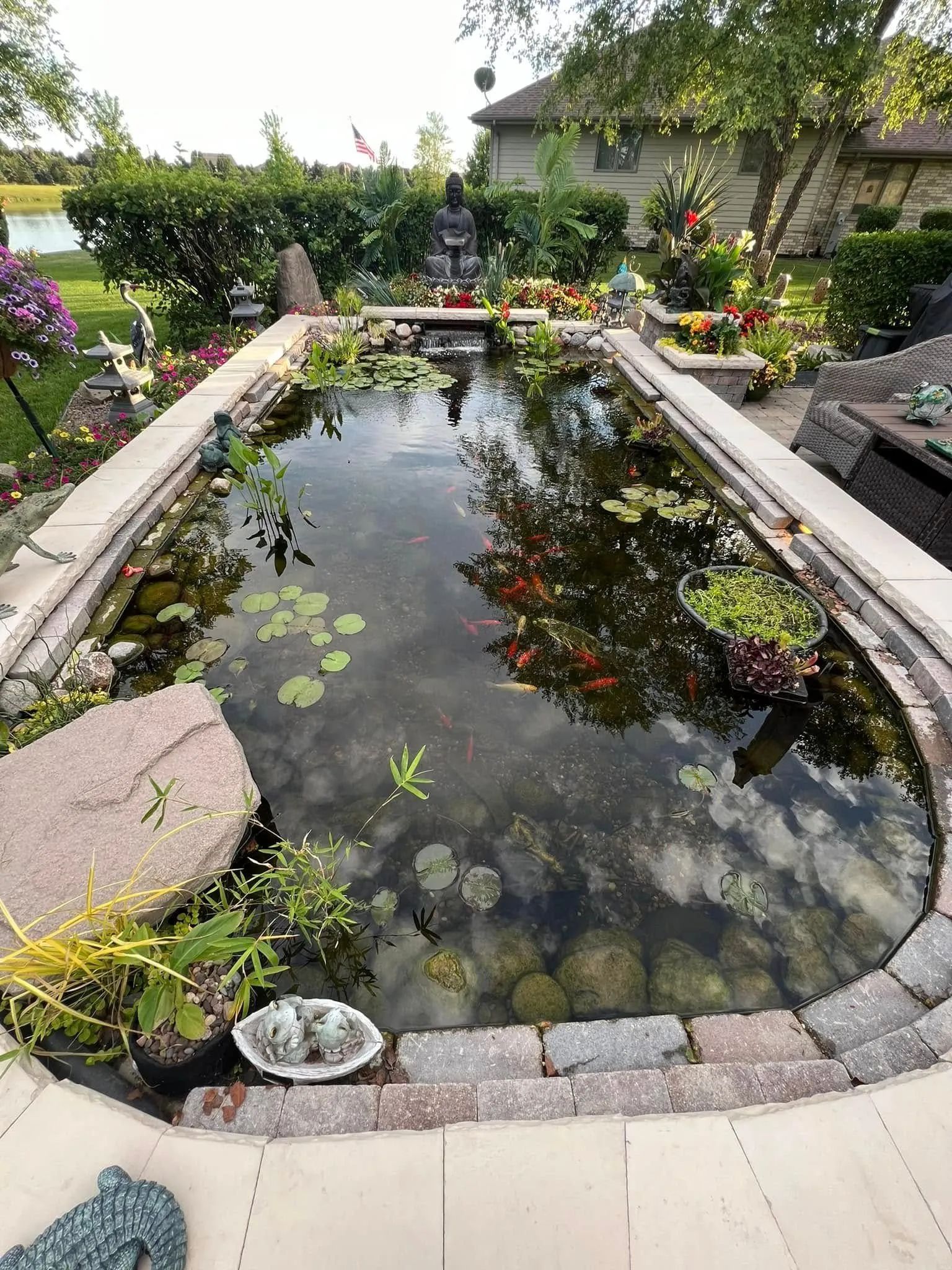
Aquatic plants are essential for a stable pond ecosystem. They provide shade, oxygenate water, and absorb excess nutrients that fuel algae growth. Floating plants, such as water lilies, and submerged species, like hornwort, create a balanced environment for fish. Seasonal plant management ensures plants do not overgrow in summer or die off in winter, maintaining ecological stability.
Plants also offer hiding spots for fish, reducing stress and mimicking natural habitats. A well-planned combination of plants enhances aesthetics, supports fish health, and reduces the need for chemical interventions.
Managing Predators and Pests
Predatory animals and pests can pose risks to pond fish. Birds, raccoons, and neighborhood pets may prey on fish, while insects can spread disease. Protective measures, including netting, pond covers, and strategic landscaping, minimize threats. Seasonal awareness is crucial—for example, winter snow cover may obscure predators, while summer heat may attract additional pests. Anticipating these risks and implementing preventive strategies supports year-round fish survival.
Expert Year-Round Pond Care with TCB Environmental
Maintaining fish in a backyard pond throughout the year is achievable with careful planning, consistent maintenance, and seasonal awareness. Understanding the relationship between pond depth, species selection, water quality, and environmental conditions allows pond owners to create a thriving, resilient ecosystem. From winter ice management and summer aeration to proper feeding schedules and disease prevention, each element plays a vital role in supporting fish health year-round.
At TCB Environmental LLC, based in Peotone, Illinois, we leverage 18
years of experience in aquatic ecosystem management to help homeowners achieve sustainable and healthy ponds. Our team specializes in providing expert guidance on pond construction, seasonal maintenance, water quality optimization, and fish health management. We pride ourselves on delivering practical, proven solutions tailored to each property and climate condition. Whether you are designing a new backyard pond or seeking year-round fish care strategies, TCB Environmental LLC
offers trusted expertise to ensure your pond remains a vibrant and balanced aquatic sanctuary all year long.
Understanding Fish Survival in Backyard Ponds
The Role of Pond Size and Depth
One of the most critical factors in keeping fish throughout the year is pond size and depth. Shallow ponds are prone to freezing completely in winter and overheating in summer, creating stressful conditions for fish. Experts recommend a minimum depth of 3–4 feet for cold climates to prevent the water from freezing solid during winter. A deeper pond provides a thermal refuge where fish can swim and remain active despite extreme surface temperatures. In addition, a larger volume of water stabilizes oxygen levels and reduces the likelihood of sudden environmental fluctuations that can harm aquatic life.
For warmer climates, pond depth also helps regulate temperature. During summer, water near the surface can become excessively warm, causing oxygen depletion and increasing the risk of disease. Deep zones allow fish to seek cooler water layers, supporting better health and longevity. Understanding the relationship between pond dimensions and environmental stability is the foundation of successful year-round fish care.
Species Selection Matters
Not all fish are equally resilient in a backyard pond environment. Cold-hardy species such as koi and goldfish can survive winter temperatures as long as the pond remains sufficiently deep and aerated. Tropical species, however, require warm water year-round and may only survive outdoors in mild climates or with supplemental heating systems. Selecting the right species based on your local climate, pond design, and maintenance capacity is essential.
In addition to temperature tolerance, fish behavior and compatibility should guide species selection. Aggressive or territorial species may stress other fish during seasonal changes, leading to injury or mortality. Researching species-specific needs and consulting with aquaculture professionals can prevent long-term challenges and ensure a harmonious pond environment.
Seasonal Challenges and Solutions
Winter Survival Strategies
Winter is the most critical period for backyard ponds in temperate climates. Ice formation can limit oxygen availability, trap fish under frozen surfaces, and disrupt natural behaviors. To prevent fish fatalities, pond owners should maintain a portion of open water using pond heaters, de-icers, or aeration systems. Aerators help circulate water, prevent stagnation, and maintain oxygen levels under ice.
Additionally, reducing fish feeding as temperatures drop is crucial because fish metabolism slows significantly in cold water. Overfeeding in winter can lead to decaying food, reduced oxygen, and poor water quality. Providing winter-specific pond care, such as debris removal and monitoring water chemistry, supports the survival of fish through the colder months. Even simple measures like ensuring proper depth and avoiding sudden ice breakage can minimize stress and prevent injury.
Summer Maintenance Considerations
While winter poses freezing risks, summer presents challenges of heat, oxygen depletion, and algae overgrowth. High water temperatures accelerate fish metabolism, increasing oxygen demand and feeding frequency. Without sufficient aeration and water circulation, fish may suffer from oxygen stress or disease.
Shade structures, floating plants, and water fountains can moderate water temperatures while providing shelter from direct sunlight. Regular water testing for pH, ammonia, and nitrate levels is essential to detect early signs of imbalance. Implementing summer-specific strategies ensures fish remain active, healthy, and stress-free throughout the hottest months, creating a sustainable pond ecosystem.
Water Quality Management for Year-Round Fish Health
Importance of Filtration Systems
Filtration is a cornerstone of maintaining healthy pond water. Mechanical filters remove debris and suspended particles, while biological filters support beneficial bacteria that convert toxic ammonia and nitrites into less harmful nitrates. In a year-round pond, maintaining both filter types ensures water quality remains stable regardless of seasonal changes.
Proper filtration reduces the risk of disease, prevents excessive algae growth, and promotes clear water, allowing fish to thrive. Regular cleaning, monitoring filter media, and adjusting filtration capacity based on seasonal fish activity are necessary steps to preserve pond health.
Monitoring and Adjusting Water Chemistry
Water chemistry is another critical aspect of sustaining fish year-round. Parameters such as pH, hardness, and oxygen levels must be checked frequently. Seasonal fluctuations, particularly during winter and summer, can alter chemical balances. For example, melting snow or heavy rainfall can dilute minerals and affect pH, while hot summer conditions can accelerate chemical reactions and oxygen depletion.
Testing kits and digital monitors can help pond owners track these parameters and make timely adjustments. Adding beneficial bacteria, dechlorinating water, or implementing partial water changes are practical strategies to maintain stable water chemistry, reducing stress and supporting long-term fish health.
Feeding and Nutrition Practices
Seasonal Feeding Adjustments
Fish nutrition needs vary with temperature. During cold months, fish metabolism slows, requiring minimal or no feeding. In fact, feeding during extreme cold can harm fish, as uneaten food decomposes and pollutes the water. Conversely, in spring and summer, fish metabolism increases, necessitating higher protein intake and more frequent feeding.
Using high-quality, species-appropriate food enhances immunity and supports growth. Pellet foods designed for koi or goldfish are widely recommended, and supplemental vegetables or treats can promote overall health. Seasonal feeding adjustments reduce waste, prevent water contamination, and optimize fish vitality throughout the year.
Addressing Overfeeding Risks
Overfeeding is a common mistake that can compromise water quality and fish health. Uneaten food decomposes, producing ammonia and promoting harmful bacterial growth. In addition, overfed fish can develop fatty deposits, reducing swimming efficiency and resistance to disease. Using measured portions and observing fish behavior ensures appropriate feeding and minimizes environmental risks.