
Pondless Waterfalls vs. Traditional Ponds: Which Is Right for You?
April 10, 2026

Water features have long been a symbol of tranquility, elegance, and natural beauty in residential and commercial landscapes. They offer more than visual appeal; the sound of flowing water can create a soothing environment that enhances outdoor living spaces, encourages relaxation, and even improves mental well-being. Among the most popular options, traditional ponds and pondless waterfalls dominate the conversation. Each brings distinct aesthetic qualities and functional benefits, yet the decision between the two is often influenced by space constraints, maintenance expectations, and design preferences. Moreover, incorporating a water feature can significantly increase property value, provide a focal point for landscaping, and create a space that fosters social gatherings or quiet reflection. Understanding the role of these features in both modern and classic landscape design allows for more intentional and harmonious outdoor spaces.
The choice between a pondless waterfall and a traditional pond goes beyond simple aesthetics. Homeowners and landscape designers must consider factors such as water circulation, safety, wildlife support, and long-term upkeep. While a traditional pond provides a habitat for aquatic life and expansive water surfaces, pondless waterfalls deliver dynamic movement and the serene sound of cascading water without the need for large reservoirs. Additionally, factors like seasonal weather, energy consumption, and overall maintenance commitment play a significant role in the decision-making process. Understanding the differences, advantages, and challenges of each option is crucial for creating a water feature that aligns with both lifestyle and design goals. This guide examines these two popular water feature options, offering insights to help determine which installation provides the ideal balance of beauty, function, and practicality.
5. Design Flexibility and Aesthetic Appeal
Traditional Pond Design Options
- Expansive Landscapes:- Traditional ponds suit large properties where space allows for expansive water features, bridges, and seating areas. They can complement gardens, patios, or naturalistic landscapes.
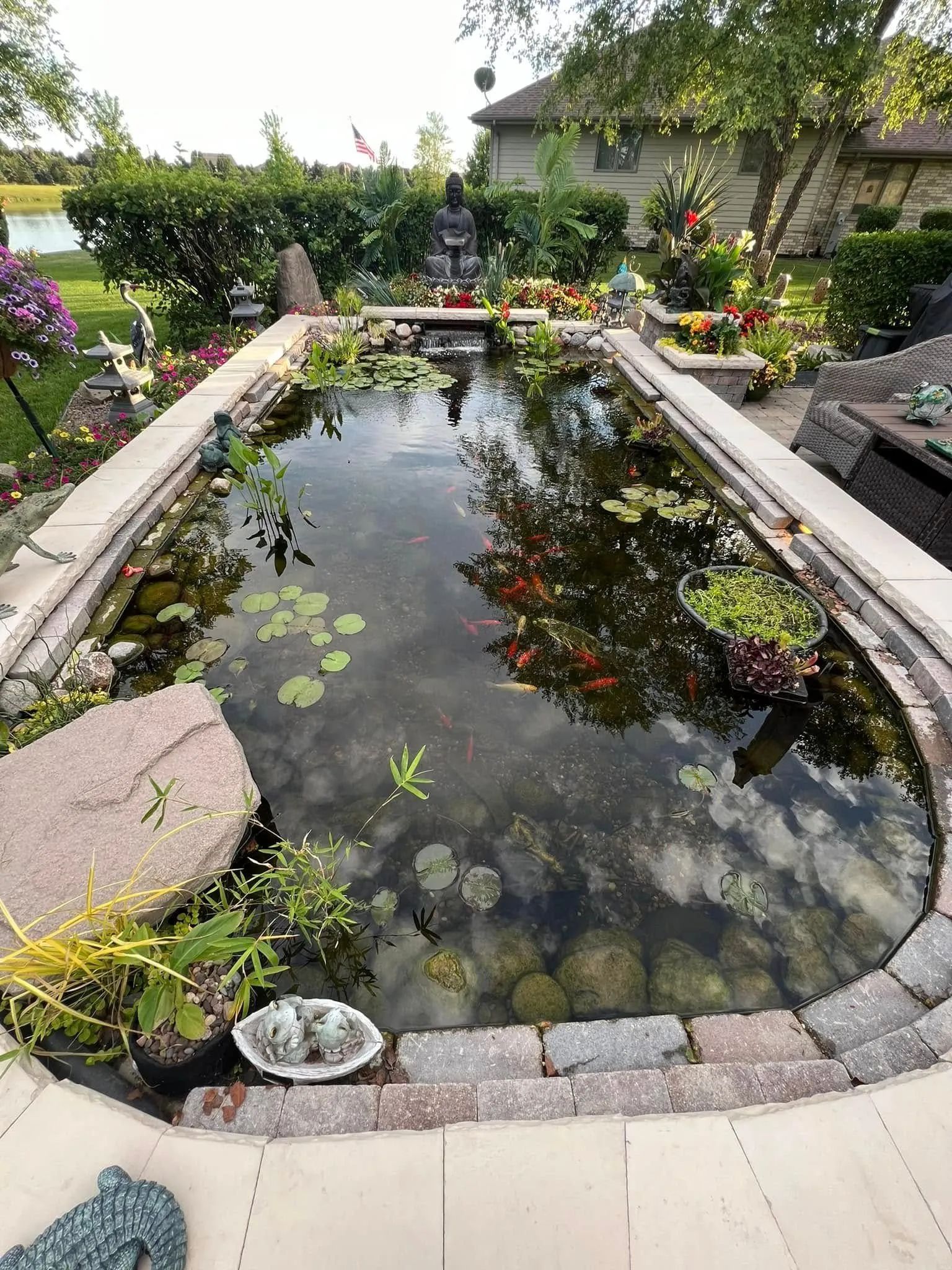
- Integration With Aquatic Life:- Ponds provide opportunities to incorporate fish, lilies, or marginal plants. These elements enhance visual interest and create a dynamic, living environment that evolves over time.
- Classic Water Feature Elements:- Waterfalls, fountains, or small streams feeding into the pond can be integrated to create movement, enrich sound, and highlight landscaping artistry.
Pondless Waterfall Design Options
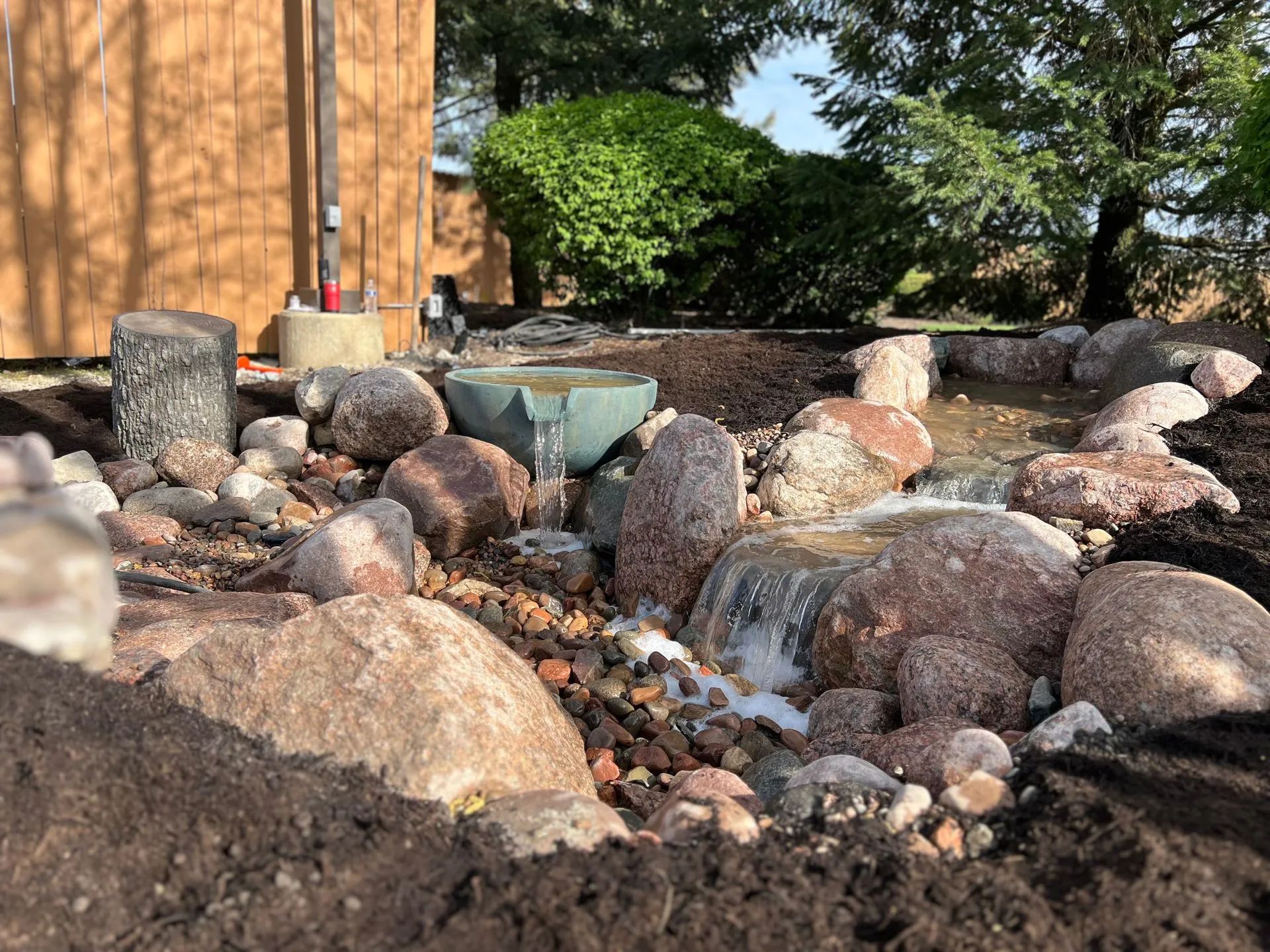
- Compact and Versatile:- Pondless waterfalls can fit into corners, terraces, or sloped landscapes. Their hidden reservoir allows for creative rockwork, cascading tiers, and flexible placement without requiring a large footprint.
- Emphasis on Sound and Movement:- While lacking an open surface, pondless waterfalls excel in delivering auditory appeal. The flowing water creates a soothing atmosphere that enhances relaxation and outdoor enjoyment.
- Customizable Materials:- Stone, concrete, or composite materials allow for tailored designs that blend seamlessly with modern or rustic landscapes. Designers can achieve intricate arrangements or minimalist structures according to personal preference.
6. Real-World Scenarios and Best Practices
Choosing a Traditional Pond
Ideal Situations
- Large backyards or estate properties with sufficient space
- Desire for a vibrant aquatic ecosystem
- Interest in recreational or educational elements like fish, frogs, or plant cultivation
Best Practices
- Invest in a high-quality filtration and circulation system
- Incorporate native plants to maintain a balanced ecosystem
- Schedule regular maintenance checks to prevent algae overgrowth and water stagnation
Choosing a Pondless Waterfall
Ideal Situations
- Limited yard space or urban landscapes
- Need for a low-maintenance water feature with visual and auditory appeal
- Preference for a safe environment for children or pets
Best Practices
- Ensure proper reservoir sizing to maintain continuous flow
- Integrate surrounding landscaping to enhance natural aesthetics
- Regularly inspect pumps and clean surfaces to sustain optimal performance
Expert Insights
Selecting between a traditional pond and a pondless waterfall depends on evaluating long-term lifestyle compatibility, maintenance willingness, space availability, and desired visual and auditory effects. Balancing these factors ensures a water feature that complements outdoor environments while delivering enjoyment for years to come.
Expert Guidance for Your Perfect Outdoor Water Installation
Choosing between a pondless waterfall and a traditional pond involves careful consideration of aesthetics, functionality, space, and maintenance. Traditional ponds offer expansive water surfaces, ecological support, and recreational opportunities, while pondless waterfalls excel in compact design, safety, and low upkeep. Evaluating personal priorities, environmental factors, and design objectives ensures the water feature aligns with lifestyle and long-term goals.
At TCB Environmental LLC, based in Peotone, Illinois, over 18
years of hands-on experience have honed the ability to design and install water features that perfectly match property needs and client vision. Expertise in both traditional ponds and pondless waterfalls allows for tailored solutions that maximize beauty, functionality, and sustainability. Each installation is approached with precision, professionalism, and commitment to quality, ensuring long-lasting enjoyment and value. Trust in our deep industry knowledge and personalized guidance to create water features that enhance outdoor spaces, combining aesthetic appeal with practical performance.
1. Understanding the Basics
What Is a Traditional Pond?
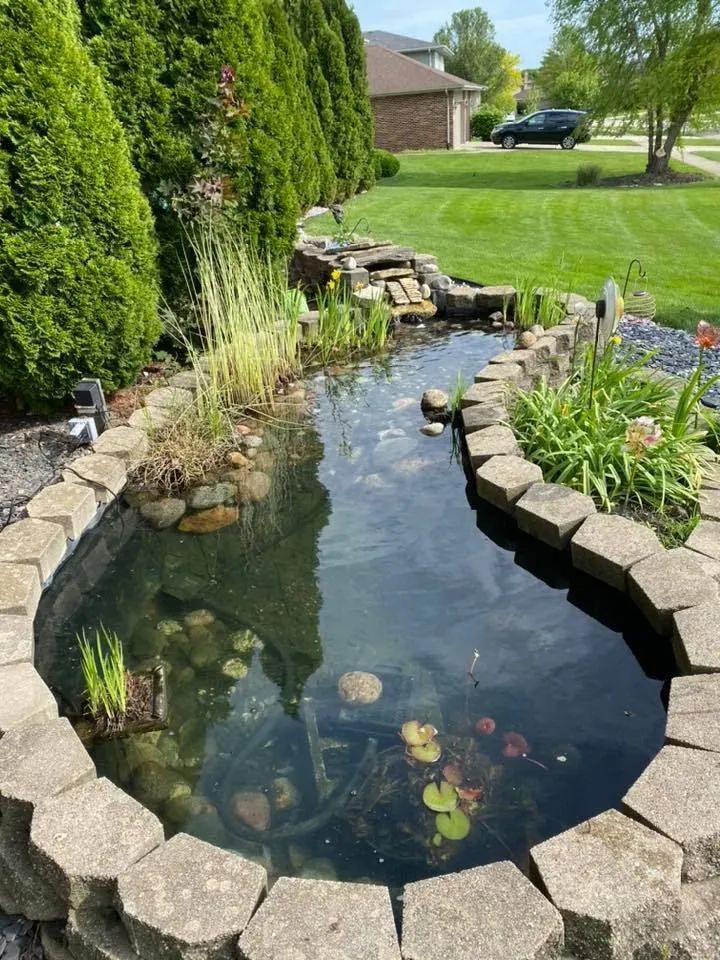
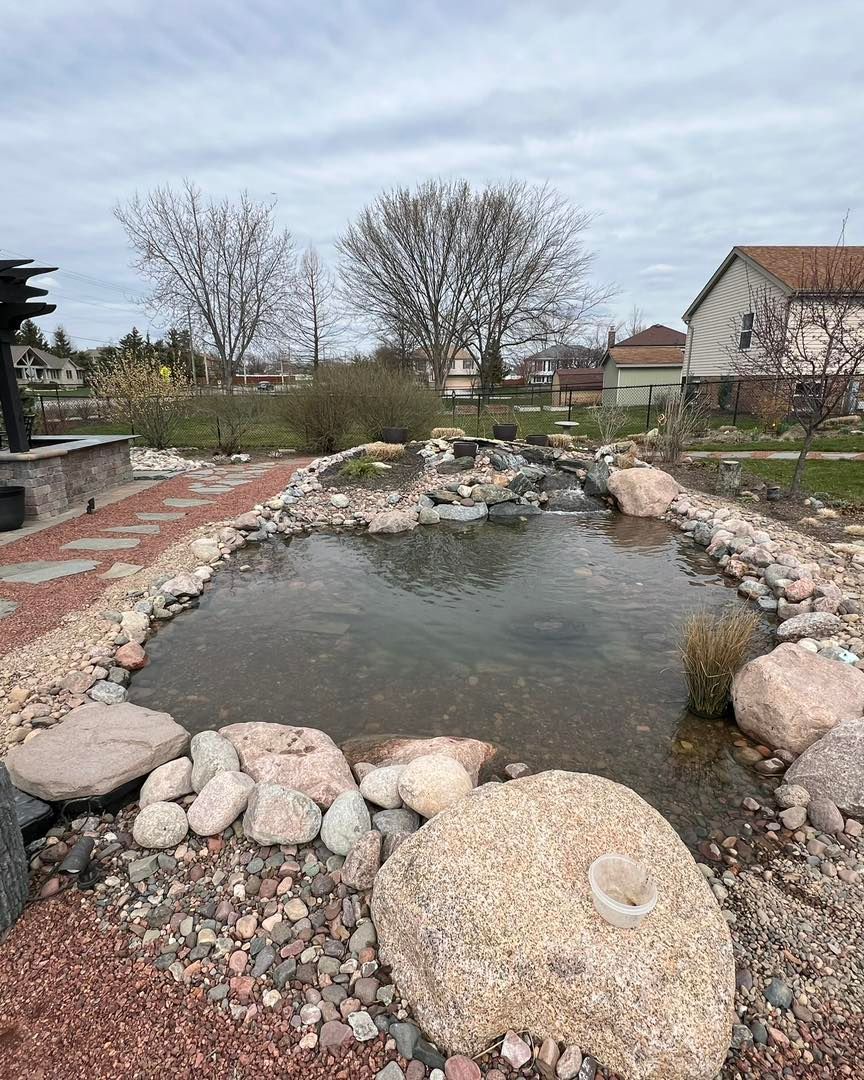
A traditional pond is a self-contained body of water designed for aesthetic, recreational, or ecological purposes. Ponds can range from small ornamental pools to larger garden or wildlife ponds and often include fish, aquatic plants, and natural stone borders. Essential components typically include a pond liner, filtration system, and circulation pump to maintain water quality and prevent stagnation. The open water surface allows for reflection, provides a natural habitat for wildlife, and integrates seamlessly with landscaping elements such as rocks, plants, and seating areas.
What Is a Pondless Waterfall?
Pondless waterfalls are designed to create the appearance and sound of flowing water without an exposed water surface. Water circulates through a hidden reservoir or basin, usually located underground, and flows over rocks or stone structures, cascading downward in a visually appealing manner. Because the reservoir is not visible, pondless waterfalls eliminate risks associated with open water while delivering the relaxing ambiance of moving water. They are ideal for limited spaces or areas where safety, low maintenance, and water conservation are priorities.
Key Differences in Functionality
The fundamental difference lies in the visible water surface. Traditional ponds offer expansive open water, supporting aquatic ecosystems, whereas pondless waterfalls focus on movement and sound, often occupying less space and requiring fewer maintenance tasks. Recognizing these distinctions early in the planning stage ensures alignment with long-term landscape goals and lifestyle needs.
2. Benefits of Each Option
Advantages of Traditional Ponds
- Enhances Property Aesthetics:- Traditional ponds provide a classic, timeless appeal. Their reflective surfaces can visually enlarge garden spaces, highlight surrounding flora, and serve as a central focal point in landscaping design.
- Supports Wildlife:- Open ponds attract birds, frogs, and beneficial insects, contributing to a balanced ecosystem. Incorporating native plants and fish can enhance biodiversity and create a sustainable, natural environment.
- Recreational Opportunities:- Larger ponds can support recreational activities such as koi feeding or small-scale aquatic gardening. They can even accommodate features like floating decks or bridges, enhancing both usability and visual interest.
Advantages of Pondless Waterfalls
- Safety and Accessibility:- Pondless waterfalls eliminate the hazards of open water, making them safer for families, pets, or properties in high-traffic areas. This design is particularly advantageous for urban or residential settings where children or pets are present.
- Low Maintenance:- With smaller reservoirs and limited exposure to debris, pondless waterfalls require less frequent cleaning and water treatment. Circulation systems are often compact, reducing operational complexity and overall maintenance costs.
- Space-Efficient Design:- Pondless waterfalls fit into tighter landscapes without sacrificing the sensory appeal of flowing water. Their design allows for creative integration with rocks, plantings, or hardscaping, offering flexibility for various property sizes.
3. Maintenance Considerations
Traditional Pond Maintenance
- Water Quality Management:- Maintaining clear, healthy water is a critical aspect of traditional pond ownership. Proper filtration, aeration, and periodic water changes prevent algae overgrowth, stagnation, and unpleasant odors.
- Seasonal Care:- Ponds may require additional care in colder climates, such as removing debris, winterizing pumps, and ensuring fish survival through ice formation. In warmer months, monitoring evaporation levels and balancing nutrients is essential.
- Wildlife and Plant Management:- Aquatic plants and fish introduce a natural ecosystem, but they require monitoring to avoid overcrowding, disease, or nutrient imbalances. Regular trimming and controlled feeding ensure longevity and ecosystem health.
Pondless Waterfall Maintenance
- Pump and Reservoir Care:- Maintenance focuses primarily on the circulation pump and underground reservoir. Periodic checks prevent clogging, ensure proper flow, and reduce wear on mechanical components.
- Debris Control:- While open water exposure is minimal, leaves or other organic matter can accumulate around the waterfall edges. Occasional cleaning maintains aesthetic appeal and prevents minor operational issues.
- Winter Considerations:- In colder climates, pondless waterfalls may need partial drainage or pump removal to prevent freezing damage. Unlike traditional ponds, there is no need to manage fish or extensive aquatic ecosystems.
4. Cost Analysis and Installation
Traditional Pond Costs
- Initial Installation:- Costs vary based on size, complexity, and materials. Excavation, liners, pumps, filtration systems, and decorative elements all contribute to overall expenditure. Large ponds may require professional design and installation to ensure structural integrity and water quality management.
- Long-Term Expenses:- Ongoing maintenance, including water treatment, electricity for pumps and filters, and plant or fish care, adds to the lifetime investment. Regular inspections and seasonal adjustments are essential to prevent costly issues.
Pondless Waterfall Costs
- Installation Considerations:- While initial installation may involve rock placement, reservoir setup, and pump configuration, pondless waterfalls often require less excavation than traditional ponds. Their compact nature and fewer components can reduce labor and material costs.
- Operational Expenses:- Lower water volumes and simplified systems result in lower utility costs and minimal ongoing maintenance. A properly installed pondless waterfall can operate efficiently year-round with limited intervention.