
Seasonal Pond Care: What to Do in Spring, Summer, Fall, and Winter

February 5, 2026

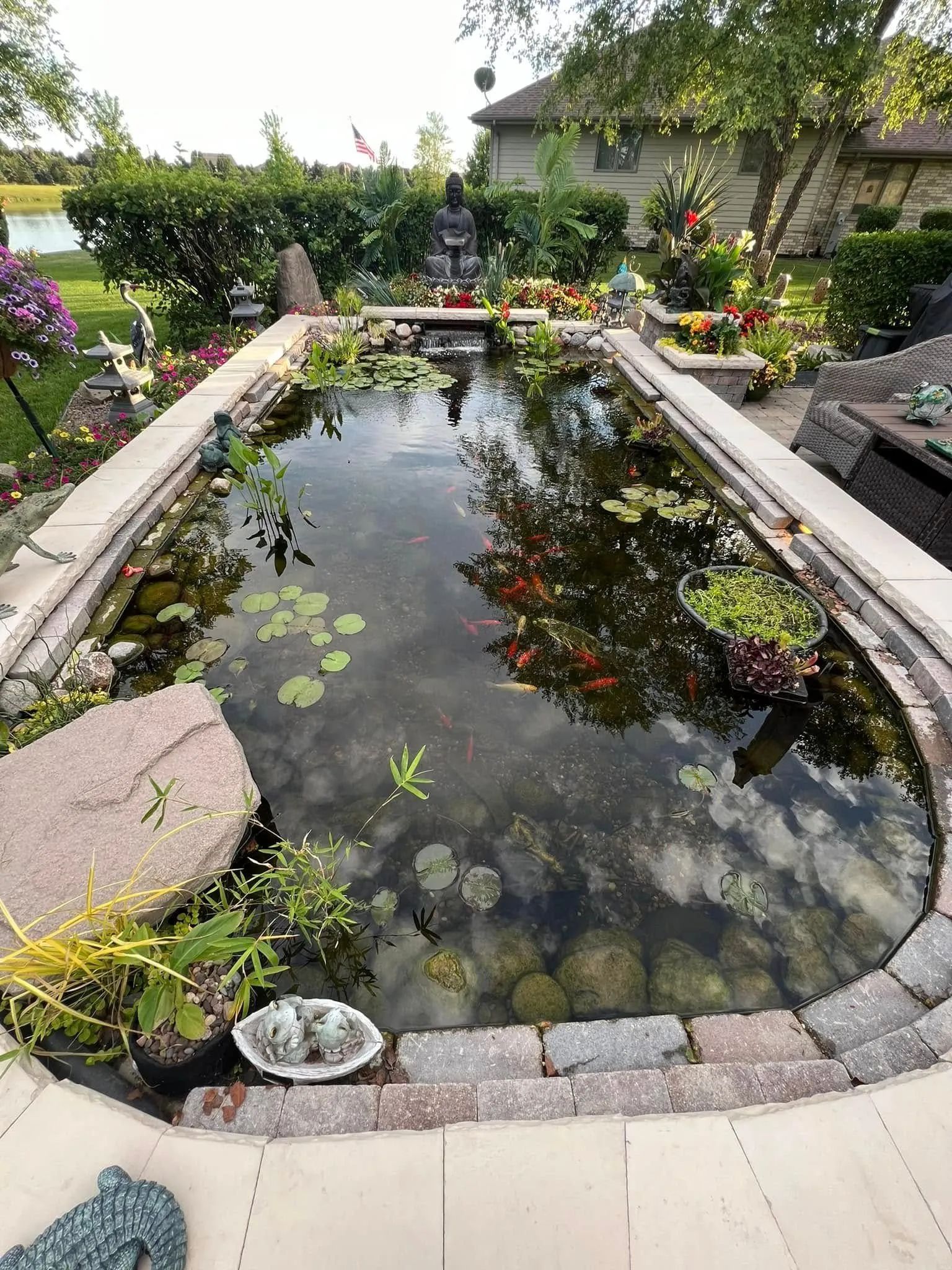
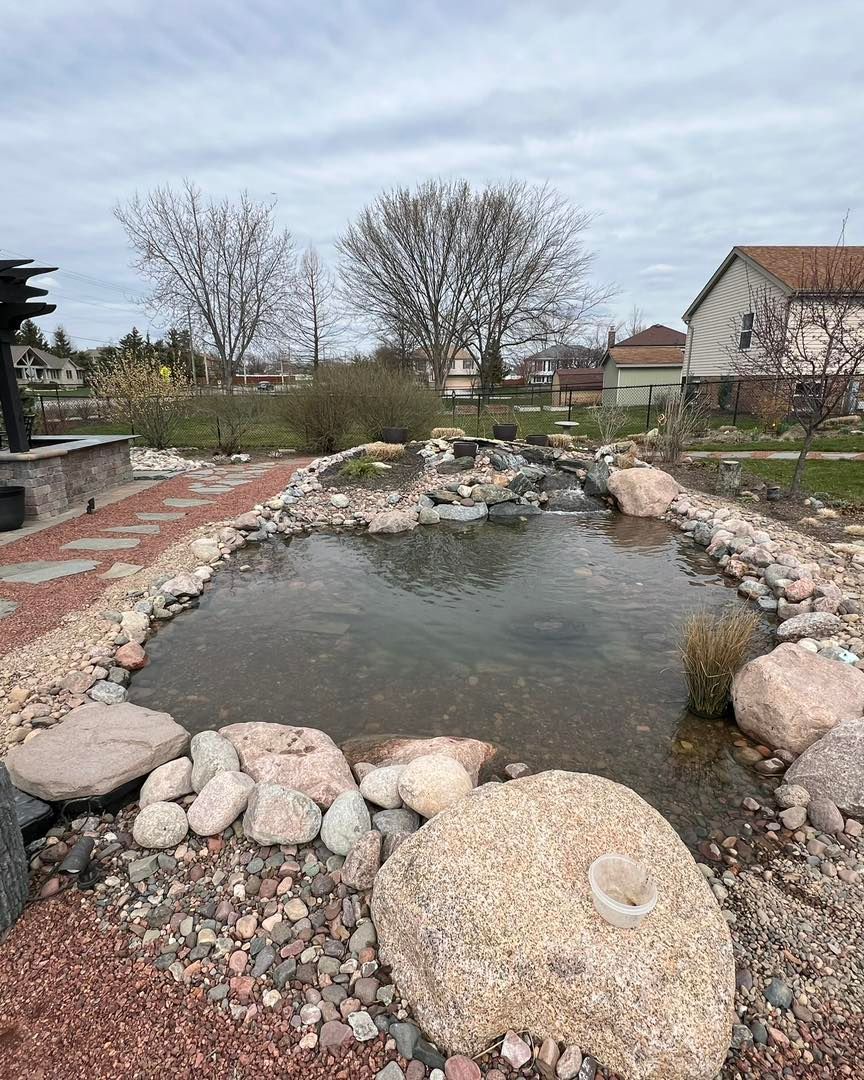
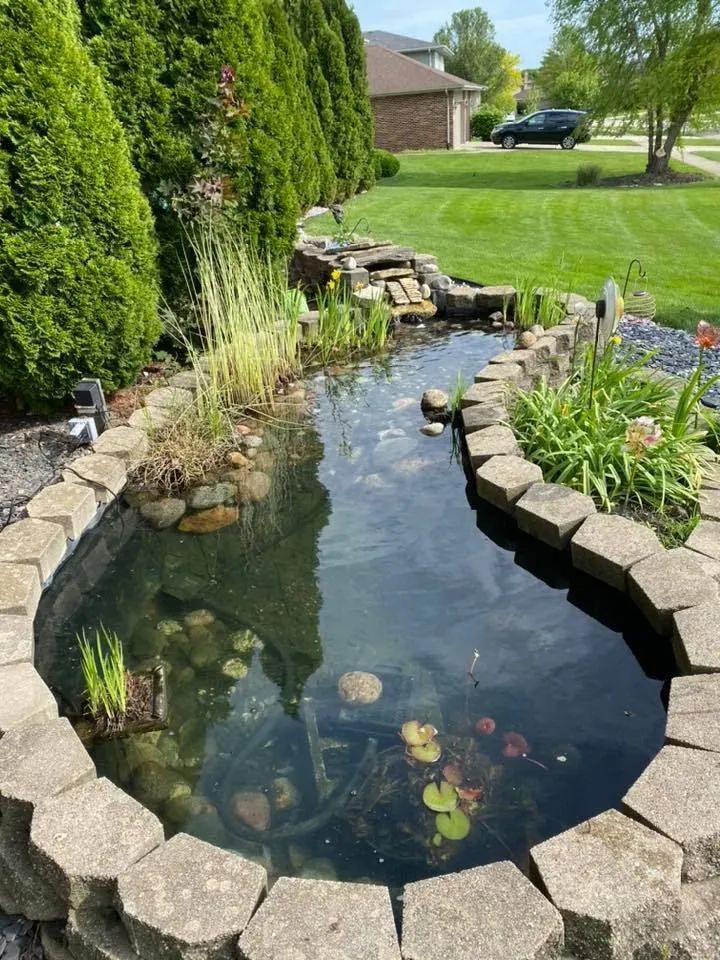
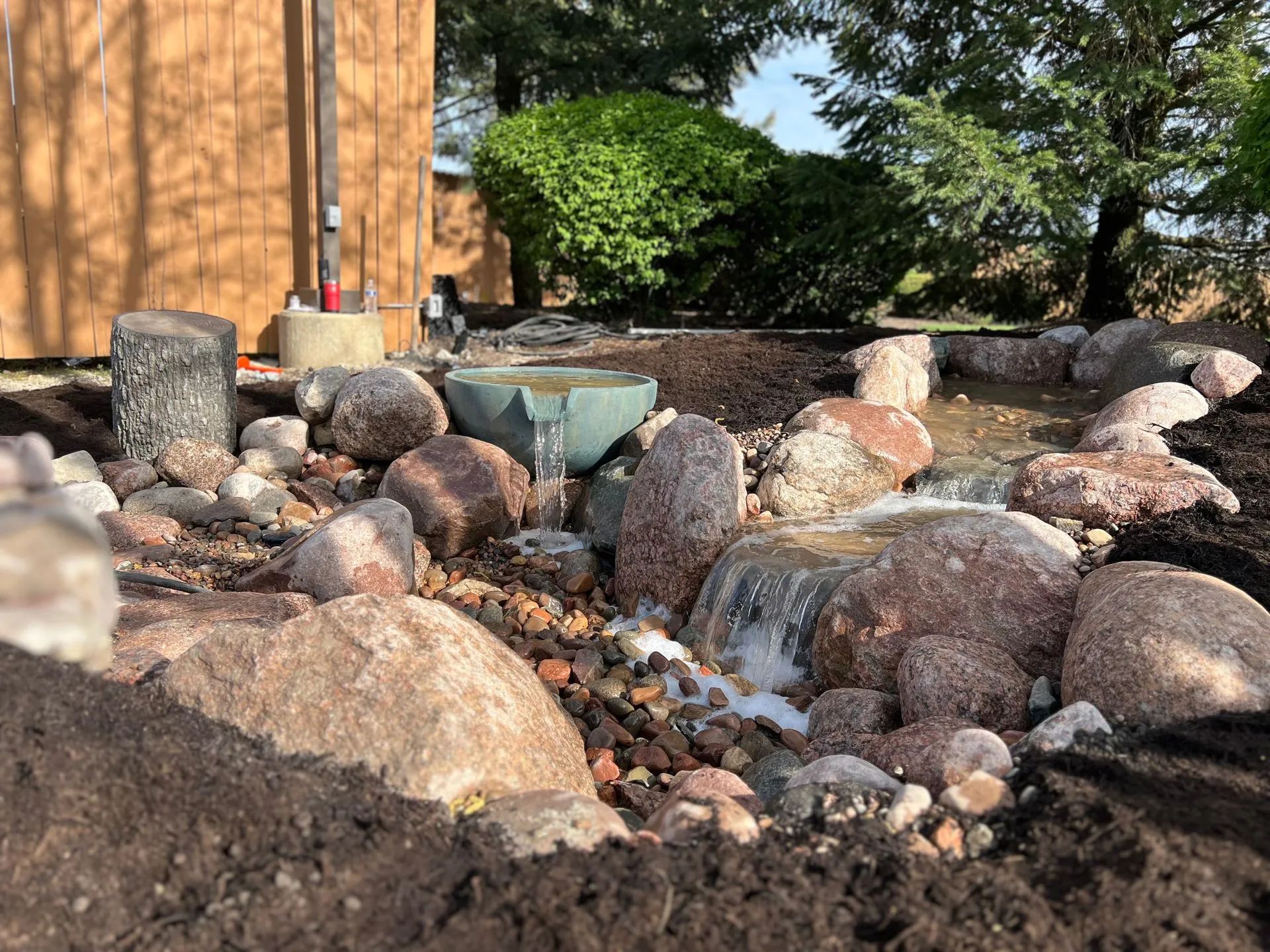
Ponds are more than just aesthetic features in a backyard or landscape; they are living ecosystems that require careful maintenance to remain healthy and visually appealing. Seasonal changes bring distinct challenges and opportunities for pond owners, affecting water quality, aquatic plants, fish, and overall ecosystem balance. Understanding how to properly care for a pond throughout the year is essential for maintaining its longevity, clarity, and biodiversity. Neglecting seasonal maintenance can lead to algae blooms, poor water circulation, and unhealthy fish populations, turning a once-tranquil feature into a source of frustration and costly repairs. Professional insight into seasonal pond care can ensure that each stage of the year is managed efficiently, saving time and resources while promoting a thriving aquatic environment.


Each season presents unique conditions that impact the pond’s ecosystem. Spring demands preparation and rejuvenation, summer introduces increased biological activity, fall requires cleanup and preventative measures, and winter challenges owners with maintaining water health during dormancy. By tailoring pond care to these seasonal needs, pond owners can enjoy clear water, healthy plants, and vibrant aquatic life year-round. This guide offers actionable steps and expert strategies to ensure your pond thrives no matter the season.

Year-Round Best Practices

Consistent attention throughout the year enhances pond health and longevity. Regular water testing, proper filtration, and responsible feeding schedules are critical, regardless of season. Installing a quality aeration system ensures oxygen levels remain stable, while routine debris removal prevents nutrient overload. Observing fish behavior and plant growth provides early warning signs of potential issues. Documenting maintenance activities supports proactive management and reduces the risk of costly interventions. By combining seasonal care with year-round best practices, pond owners can maintain a vibrant, balanced, and visually appealing aquatic environment throughout every stage of the year.

Professional Pond Care Strategies from TCB Environmental Experts

At TCB Environmental LLC, based in Peotone, Illinois, we bring 18 years of hands-on experience in pond management and environmental maintenance. Our team understands the complexities of seasonal pond care, offering expert guidance, tailored solutions, and dependable services to ensure your pond remains healthy year-round. Whether it’s routine cleanup, advanced water quality management, or winter preparation, we provide professional support that combines knowledge, experience, and a commitment to environmental stewardship.


Over nearly two decades, TCB Environmental LLC has built a reputation for reliable, high-quality services that address the unique challenges of pond ecosystems. From residential water features to larger natural ponds, we help clients implement effective seasonal care strategies that promote biodiversity, water clarity, and long-term sustainability. Trust our experienced team to handle every aspect of your pond maintenance, ensuring optimal results while reducing stress and potential risks.

Spring Pond Care

Spring is the season of renewal, making it one of the most critical times for pond maintenance. After months of dormancy during winter, ponds often accumulate debris, fallen leaves, and sediment that can hinder water quality. A comprehensive spring cleanup sets the foundation for a healthy ecosystem throughout the year.


Inspect and Clean Your Pond

Start by removing any accumulated debris, including leaves, twigs, and organic matter. Using a pond net or skimmer helps prevent the introduction of excess nutrients that can fuel algae growth. Check pond liners, rocks, and edges for winter damage. Ensure pumps, filters, and aerators are in proper working condition, as malfunctioning equipment can compromise water circulation and clarity.


Prune and Prepare Aquatic Plants

Spring is the ideal time to trim dead or damaged foliage from submerged and marginal plants. Cutting back old growth stimulates new development and prevents decaying plant matter from polluting the water. Divide overcrowded perennials to maintain proper spacing and reduce competition for nutrients. Introducing new plants at this stage also promotes biodiversity and natural filtration.


Assess Fish Health

Water temperatures begin to rise in spring, signaling the start of the feeding season for fish. Before introducing food, test water parameters such as pH, ammonia, and nitrate levels. Slowly reintroduce feed to prevent overfeeding, which can lead to spikes in ammonia and algae problems. A professional water test can provide precise guidance for maintaining optimal conditions for fish growth and survival.


Implement Preventative Measures

Consider adding beneficial bacteria to jumpstart natural filtration and combat excess nutrients. Inspect pond liners for leaks and ensure aeration is sufficient to support oxygen levels as biological activity increases. Taking these proactive steps in spring sets the stage for a cleaner, healthier pond throughout the warmer months.

Summer Pond Care

Summer presents its own set of challenges, as warmer temperatures accelerate biological activity and encourage algae growth. Maintaining water quality and ensuring sufficient oxygen levels are critical to sustaining a balanced pond ecosystem.

Manage Algae Growth

Algae blooms are common in summer due to increased sunlight and nutrient availability. Regularly removing visible algae helps maintain clarity and prevents oxygen depletion. Introducing floating plants such as water lilies or marginal plants can provide shade and naturally reduce algae proliferation. For persistent issues, consider safe algaecide treatments that do not harm fish or beneficial microorganisms.


Optimize Aeration and Circulation

Summer heat reduces oxygen solubility in water, placing stress on fish and beneficial bacteria. Ensure pumps and aerators are functioning optimally. Consider adding an additional aeration system during heat waves to maintain oxygen levels. Enhanced water circulation also prevents stagnant areas where mosquito larvae or debris can accumulate.


Monitor Water Levels and Quality

Evaporation can cause water levels to drop quickly in summer, concentrating pollutants and affecting aquatic life. Regularly check and top off the pond with dechlorinated water to maintain stability. Testing water for pH, ammonia, and nitrate levels is essential to detect imbalances early.


Support Fish Health

Fish metabolism increases in warm water, requiring careful feeding management. Feed smaller amounts more frequently to prevent uneaten food from decomposing. Observe fish for signs of stress or disease, and ensure shaded areas or floating plants are available to help regulate temperature and reduce heat-related stress.


Prevent Overgrowth

Prune fast-growing aquatic plants and remove any dead or decaying vegetation. Proper maintenance prevents nutrient buildup that fuels algae and preserves the aesthetic appeal of the pond.

Fall Pond Care

As temperatures cool in fall, ponds begin transitioning into a dormant state. Preparing for winter is crucial to prevent damage to fish, plants, and equipment. Fall maintenance focuses on cleanup, nutrient management, and system checks.

Remove Debris and Dead Plant Matter

Falling leaves and plant debris can quickly accumulate in the pond, leading to nutrient overload and potential oxygen depletion. Regularly skim the surface and remove decaying material from the bottom using a pond vacuum or net. This prevents the formation of sludge and reduces the risk of harmful anaerobic bacteria growth.

Prune and Protect Plants

Trim back marginal and emergent plants, leaving only hardy perennials if desired. Consider relocating sensitive plants indoors or to a greenhouse to protect them from frost damage. Proper pruning reduces decay during winter and minimizes nutrient spikes that could fuel algae growth in early spring.

Maintain Fish Health

Reduce feeding as water temperatures drop, as fish metabolism slows significantly in cooler conditions. Feed only high-quality, low-protein food suitable for fall and early winter to avoid digestive issues and water pollution. Consider a pond heater or aerator for regions with early freezes to maintain oxygen levels and prevent ice from completely sealing the surface.

System Maintenance and Winter Prep

Clean filters and pumps thoroughly and remove any debris that could clog systems over winter. Inspect liners, edges, and rocks for stability. Ensure that aerators or de-icers are installed in ponds with fish to maintain open water areas for gas exchange during freezing temperatures. Taking these steps reduces the risk of winter-related pond damage and ensures a smoother transition into spring.

Winter Pond Care

Winter requires a different approach, as ponds enter a period of dormancy and biological activity slows. Maintaining water quality and protecting aquatic life are the primary objectives during the cold months.

Protect Aquatic Life

In regions with freezing temperatures, preventing a complete ice cover is essential for fish survival. Use pond de-icers or floating aerators to maintain a small opening in the ice, allowing oxygen exchange and preventing harmful gas buildup. Avoid breaking ice manually, as sudden temperature changes can stress or injure fish.

Reduce Disturbance

Winter is a period of minimal intervention. Refrain from excessive cleaning or plant trimming, as this can disrupt the pond’s ecosystem. Focus on monitoring rather than active maintenance. Remove any fallen branches or debris that could cause damage under ice or compromise water quality.

Monitor Water Quality

Occasional water tests for pH, ammonia, and oxygen levels can help identify potential problems before they threaten fish or plants. Avoid adding fertilizers or chemicals during winter, as biological processes slow and the risk of overloading the pond increases.

Plan for Spring

Use winter as a planning period for pond improvements. Assess structural elements, consider equipment upgrades, and plan plant divisions or fish population adjustments for spring. Keeping a maintenance log helps track seasonal changes and ensures timely interventions when temperatures rise.

Prevent Winter Hazards

Ensure that pumps, filters, and aerators are properly stored or protected if not in use. Secure pond liners and edges to prevent damage from ice expansion. Winter-proofing reduces repair costs and preserves the integrity of the pond ecosystem, providing a strong foundation for spring rejuvenation.

A small, murky pond surrounded by rocks and greenery in a grassy backyard.
January 5, 2026
A healthy, clear pond is a centerpiece of any landscape, offering aesthetic beauty, ecological balance, and a serene environment for wildlife.
Pond in a garden, surrounded by rocks and lush greenery. A small waterfall and frog statue are present.
December 17, 2025
Water features have long been a hallmark of aesthetically pleasing landscapes, offering both visual appeal and a calming atmosphere. From sprawling backyard ponds to elegant fountains and innovative pondless waterfalls, homeowners and property developers now have multiple options to enhance outdoor spaces.
A rectangular stone-lined pond with koi fish, a small waterfall, and surrounding greenery.
November 12, 2025
A backyard pond is more than just a beautiful landscape feature—it’s a miniature ecosystem. Fish, plants, and microorganisms all rely on clean, well-oxygenated water to thrive. Yet many pond owners overlook one crucial component: a filtration system.
Show More
A small, murky pond surrounded by rocks and greenery in a grassy backyard.
January 5, 2026
A healthy, clear pond is a centerpiece of any landscape, offering aesthetic beauty, ecological balance, and a serene environment for wildlife.
Pond in a garden, surrounded by rocks and lush greenery. A small waterfall and frog statue are present.
December 17, 2025
Water features have long been a hallmark of aesthetically pleasing landscapes, offering both visual appeal and a calming atmosphere. From sprawling backyard ponds to elegant fountains and innovative pondless waterfalls, homeowners and property developers now have multiple options to enhance outdoor spaces.
A rectangular stone-lined pond with koi fish, a small waterfall, and surrounding greenery.
November 12, 2025
A backyard pond is more than just a beautiful landscape feature—it’s a miniature ecosystem. Fish, plants, and microorganisms all rely on clean, well-oxygenated water to thrive. Yet many pond owners overlook one crucial component: a filtration system.
Show More