

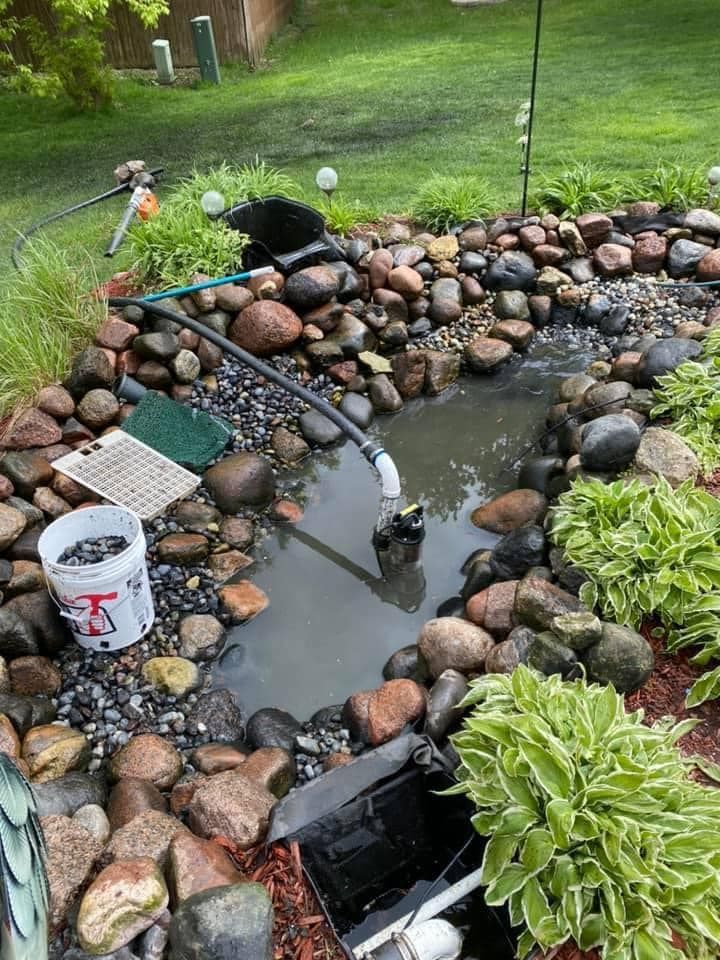
How Long Do Pond Pumps Last? Signs It’s Time for a Replacement

May 4, 2026

Maintaining a healthy, vibrant pond requires more than just water and aquatic plants; the pond pump plays a critical role in keeping the ecosystem functional. This small yet powerful device circulates water, powers waterfalls or fountains, and helps maintain proper oxygen levels for fish and plants. Without a properly functioning pump, water can stagnate, leading to algae overgrowth, unpleasant odors, and stressed aquatic life. Understanding the lifespan of a pond pump is essential for pond owners to avoid unexpected failures that could disrupt the delicate balance of the aquatic environment. Pumps are subjected to constant wear, debris accumulation, and changing water conditions, which can impact performance over time. Knowing when a pump has reached the end of its useful life ensures continued pond health and prevents costly emergency replacements, while also preserving the aesthetic appeal of the water feature.


Pond pumps come in various types, from submersible to external models, each with its own durability and maintenance requirements. While high-quality pumps can last many years, factors like frequency of use, water quality, and proper upkeep play significant roles in longevity. Regular inspections, timely maintenance, and understanding operational limits can dramatically extend a pump’s life and reduce unexpected failures. Recognizing the signs that indicate a pump is nearing failure allows for timely intervention, preventing damage to other pond components. This blog explores the average lifespan of pond pumps, highlights common indicators of wear and malfunction, and offers guidance on maintaining or replacing a pump effectively to ensure a thriving pond ecosystem for years to come.

5. Choosing the Right Replacement Pump

Assessing Needs

Replacement decisions should consider pond size, type of water feature, fish population, and desired flow rate. Selecting a pump that matches these factors ensures efficient operation, minimizes future wear, and maintains a balanced pond ecosystem.

Quality Over Price

Investing in a high-quality pump may seem expensive upfront, but it offers long-term savings through enhanced durability, fewer maintenance needs, and improved energy efficiency. Look for corrosion-resistant materials, sealed motors, and positive customer reviews when evaluating options.

Professional Guidance

Consulting experts for pump selection, installation, and maintenance ensures optimal performance and efficiency. Professionals can recommend models suited to specific pond conditions, helping reduce energy costs and extending the pump’s operational lifespan.

6. Best Practices for Pump Longevity

Install Pre-Filters and Skimmers

Using pre-filters or pond skimmers significantly reduces debris intake and protects the pump from clogs. This simple preventative step prevents premature wear, improves overall water quality, and minimizes maintenance time and costs.


Monitor Flow and Electrical Consumption

Regularly checking water flow and energy consumption helps identify issues early. Sudden drops in flow or spikes in electricity usage often indicate internal problems that require maintenance. Early detection allows corrective action before damage escalates.


Seasonal Care

Winterizing pumps in cold climates prevents freezing damage, while summer inspections help manage algae growth and sediment accumulation. Following seasonal care routines ensures consistent pump performance and prevents environmental or mechanical stress.


Keep Spare Parts on Hand

Maintaining spare impellers, seals, and other components allows for quick repairs. Fast replacement of worn parts prevents prolonged stress on the motor, ensures uninterrupted operation, and protects the pond’s aquatic life from disruption.

Expert Guidance for Maintaining Efficient Pond Pumps

Pond pumps are essential for maintaining water circulation, oxygenation, and overall pond health. Understanding average lifespans, recognizing warning signs, and implementing consistent maintenance practices helps prevent unexpected failures and costly damage. Regular inspections, cleaning, and proper sizing contribute significantly to extending pump longevity while ensuring aquatic ecosystems remain balanced and vibrant.


At TCB Environmental LLC in Peotone, Illinois, we bring 18 years of experience in pond design, installation, and maintenance. Our expertise spans selecting durable pumps, optimizing pond circulation, and offering preventative maintenance strategies that keep water features thriving. We understand the importance of reliable pond equipment and provide guidance for timely replacements and professional installations. Trust in our experience ensures ponds remain beautiful, functional, and safe for years. Whether designing a new water feature or maintaining an existing ecosystem, TCB Environmental LLC delivers dependable solutions tailored to your specific pond needs, offering peace of mind and long-lasting performance.

1. Understanding Pond Pump Lifespan

Average Lifespan of Pond Pumps

Pond pumps typically last between 5 to 15 years, depending on build quality, frequency of usage, and consistent maintenance practices. Submersible pumps, which operate fully underwater, generally face more strain due to constant exposure to water, debris, and temperature fluctuations, making regular inspection essential. External or inline pumps, while often more durable and easier to service, still require routine checks to ensure optimal performance and longevity. Premium pumps from reputable brands tend to last longer because of higher-quality components, advanced motor designs, and better overall engineering. Choosing a well-built pump initially can reduce long-term problems and replacement costs significantly.


Factors Influencing Longevity

Several factors strongly affect how long a pond pump will operate efficiently over time:


  • Water Quality: Hard water, algae, or sediment buildup significantly increases wear on pump components, leading to earlier failure if not properly managed.
  • Pump Size vs. Pond Size: An underpowered pump must work harder to circulate water, reducing its lifespan, while an oversized pump may cycle inefficiently, wasting energy and stressing internal parts.
  • Continuous Operation: Pumps running 24/7 experience more mechanical stress compared to those operated intermittently, especially in heavily loaded water features.
  • Maintenance Routine: Regular cleaning of filters, impellers, and intake screens can dramatically extend operational life, preventing minor issues from escalating into major failures.

Real-World Scenario

A pond in a residential garden with moderate fish and plant density can often rely on a well-maintained submersible pump for up to 10 years of reliable performance. However, a larger ornamental pond with waterfalls, fountains, or heavy debris accumulation will require more frequent inspections and may experience pump replacement closer to 5–7 years, depending on environmental conditions and maintenance diligence.

2. Common Signs of Pump Wear

Reduced Water Flow

One of the earliest indicators of a struggling pump is a noticeable drop in water circulation, which may affect fountains, waterfalls, or overall pond health. Reduced flow may result from impeller wear, clogged intake screens, or sediment buildup inside the pump housing, limiting its efficiency. Monitoring water features consistently helps detect minor flow changes before they escalate into full pump failure, potentially protecting fish and plants from harm.


Unusual Noises

Pumps are generally quiet under normal operation, but a grinding, rattling, or high-pitched whine often signals internal wear or mechanical stress. Bearings, shafts, or impellers may be damaged, directly affecting overall efficiency. Ignoring these unusual sounds can lead to complete mechanical failure, resulting in potential damage to other pond components, requiring costly repairs.


Frequent Overheating

Overheating is a clear warning sign that should never be ignored. Pumps that shut down unexpectedly or feel excessively hot can indicate motor strain, blockages, or electrical issues. Extended operation under these conditions can permanently damage the motor windings, often leading to irreversible failure that necessitates a full pump replacement.


Electrical Issues

Fluctuating performance or failure to start can indicate wiring problems, short circuits, or internal motor damage. These electrical issues are often gradual, appearing over time, so close observation and preventive maintenance are critical to avoiding sudden pump failure and protecting the pond environment.

3. Maintenance Practices to Extend Pump Life

Routine Cleaning

Regular cleaning prevents debris accumulation, one of the leading causes of pump wear and inefficiency. Removing leaves, algae, and sediment from intake screens, impellers, and pump housing ensures smooth operation and reduces strain on the motor, extending the pump’s functional lifespan.

Seasonal Inspections

Performing inspections at the start and end of each season allows early detection of wear, corrosion, or component damage. Check seals, impeller blades, and electrical components for signs of deterioration. Seasonal maintenance also includes winterizing pumps in colder climates to prevent freezing damage that could permanently impair pump function.

Lubrication and Component Replacement

Some pumps benefit from periodic lubrication of moving parts, while others are designed to be maintenance-free. Replacing worn impellers, bearings, or seals at the first sign of wear can prevent minor issues from escalating into full pump failure, saving significant costs and protecting the pond ecosystem.

Proper Sizing and Installation

Selecting a pump that matches pond size and flow requirements is critical for optimal operation. Oversized pumps can cycle inefficiently, creating unnecessary energy costs, while undersized pumps must work harder than necessary, leading to accelerated wear. Correct installation ensures efficient water circulation and reduces mechanical stress over time.

4. Real-World Impacts of a Failing Pump

Ecosystem Disruption

A failing pump can lead to stagnant water, reduced oxygen levels, and poor water quality, all of which can stress fish and other aquatic life. Plants may also suffer from nutrient imbalances, while algae growth may increase, destabilizing the pond environment. Even temporary pump failures can trigger long-term ecosystem issues if not addressed promptly.

Increased Maintenance Costs

Waiting too long to replace a failing pump often leads to significantly more expensive repairs. Sediment buildup or corrosion may damage connected plumbing, waterfalls, or filtration systems, compounding costs over time. Proactive replacement reduces financial risk and ensures consistent pond operation.

Safety Hazards

Electrical issues in a malfunctioning pump can create fire or shock hazards, especially in outdoor pond environments. Regular inspections and timely replacement help minimize dangerous accidents, ensuring that ponds remain safe for both residents and wildlife.

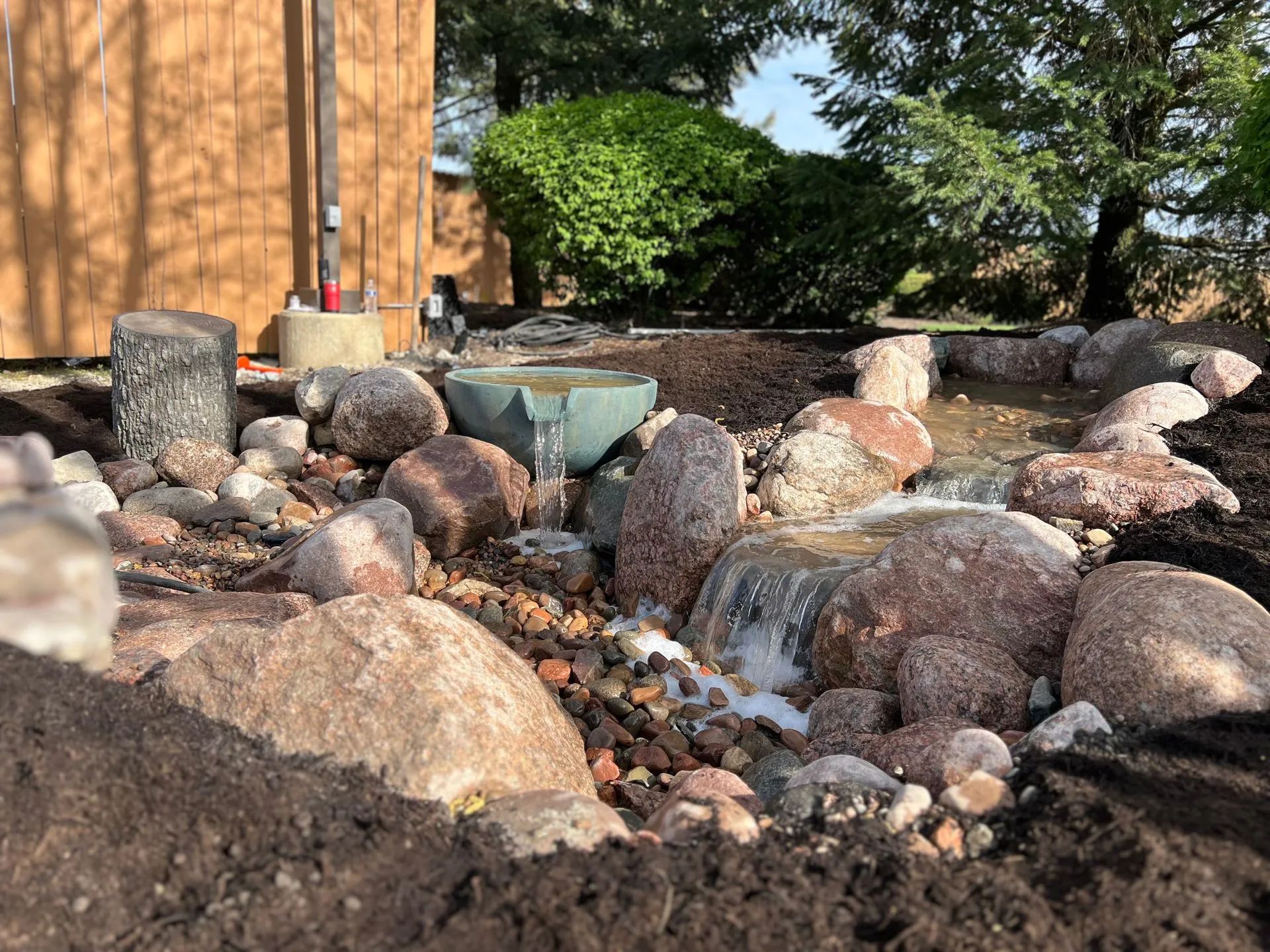
A small garden pond with a water feature, stone borders, and lush green bushes in a landscaped backyard.
April 10, 2026
Water features have long been a symbol of tranquility, elegance, and natural beauty in residential and commercial landscapes. They offer more than visual appeal; the sound of flowing water can create a soothing environment that enhances outdoor living spaces, encourages relaxation, and even improves mental well-being.
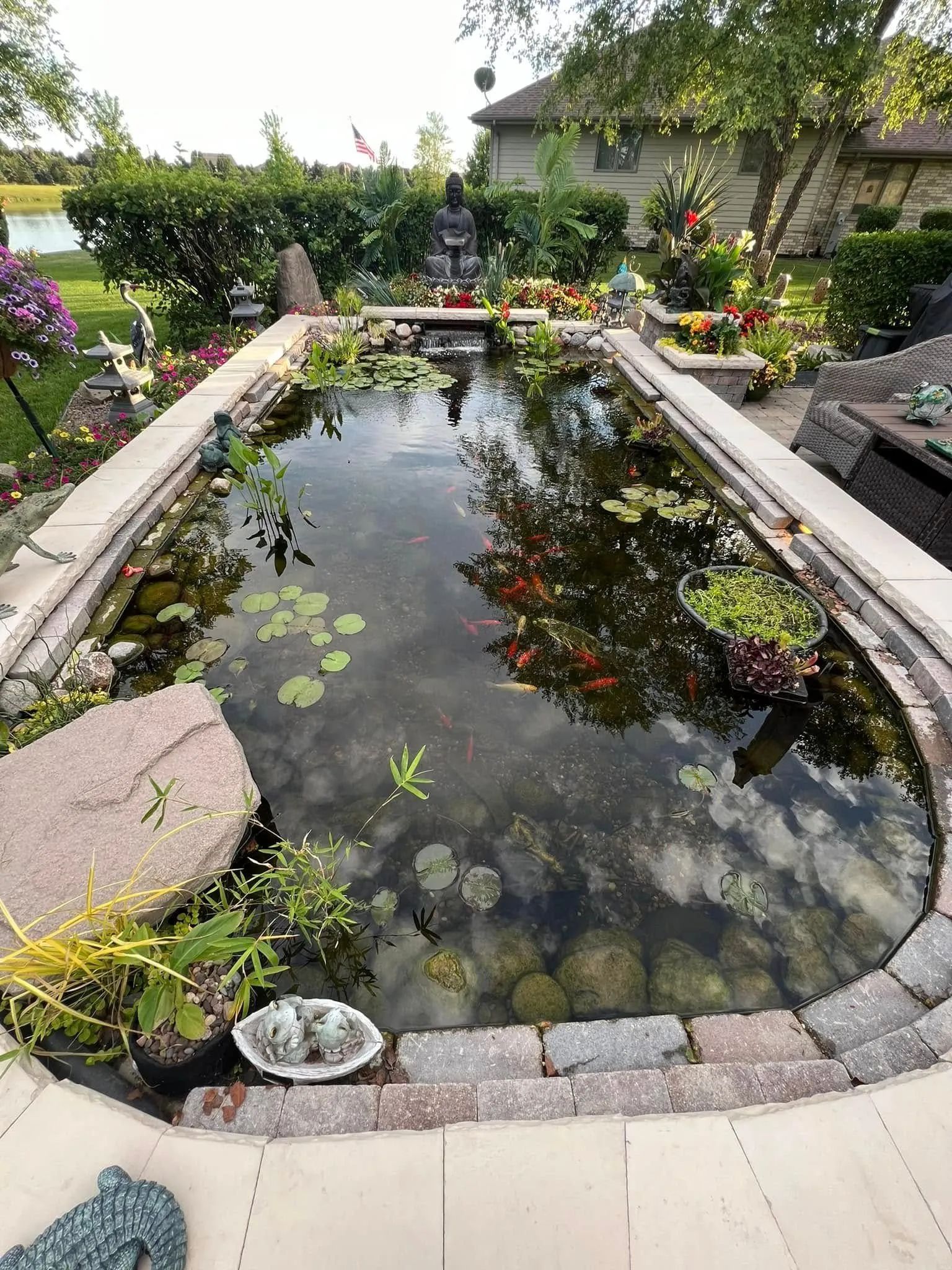
Rectangular koi pond with brick edging, surrounded by flowers, plants, and stone features, with a statue visible in the background.
March 9, 2026
Backyard ponds are more than just decorative elements—they provide a serene ecosystem, a relaxing retreat, and an opportunity to observe aquatic life up close. Many homeowners and garden enthusiasts dream of maintaining a pond stocked with vibrant fish throughout the year.
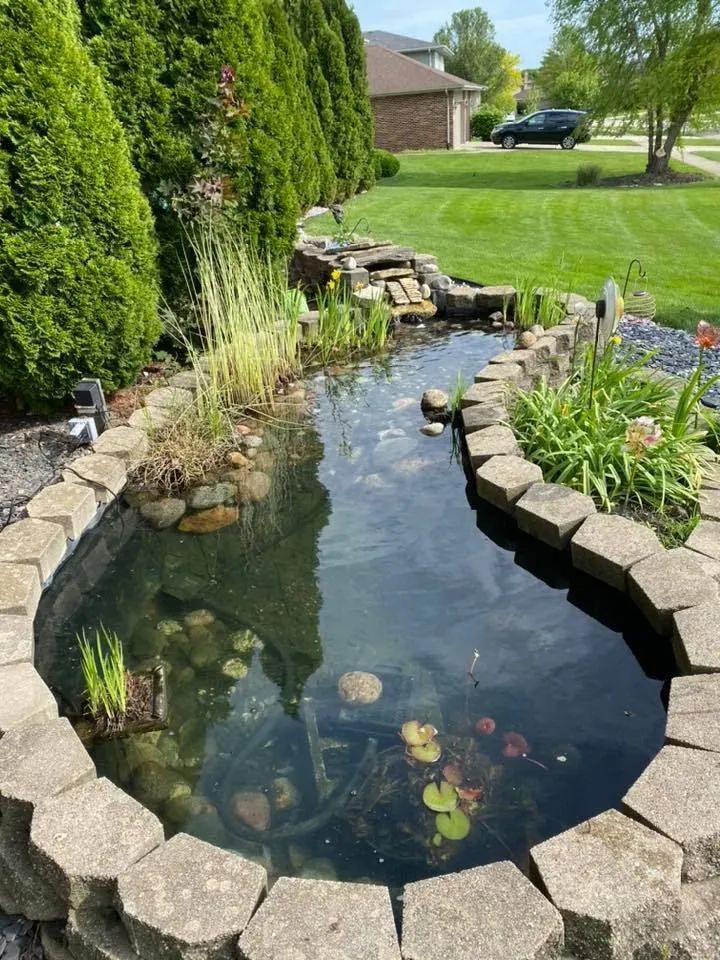
Stone-edged garden pond with waterfall, lush green plants, and reflecting surface.
February 5, 2026
Ponds are more than just aesthetic features in a backyard or landscape; they are living ecosystems that require careful maintenance to remain healthy and visually appealing. Seasonal changes bring distinct challenges and opportunities for pond owners, affecting water quality, aquatic plants,
Show More
A small garden pond with a water feature, stone borders, and lush green bushes in a landscaped backyard.
April 10, 2026
Water features have long been a symbol of tranquility, elegance, and natural beauty in residential and commercial landscapes. They offer more than visual appeal; the sound of flowing water can create a soothing environment that enhances outdoor living spaces, encourages relaxation, and even improves mental well-being.
Rectangular koi pond with brick edging, surrounded by flowers, plants, and stone features, with a statue visible in the background.
March 9, 2026
Backyard ponds are more than just decorative elements—they provide a serene ecosystem, a relaxing retreat, and an opportunity to observe aquatic life up close. Many homeowners and garden enthusiasts dream of maintaining a pond stocked with vibrant fish throughout the year.
Stone-edged garden pond with waterfall, lush green plants, and reflecting surface.
February 5, 2026
Ponds are more than just aesthetic features in a backyard or landscape; they are living ecosystems that require careful maintenance to remain healthy and visually appealing. Seasonal changes bring distinct challenges and opportunities for pond owners, affecting water quality, aquatic plants,
Show More