
Water Treatment Basics for Backyard Ponds

April 28, 2025

A backyard pond adds natural beauty, peaceful ambiance, and even habitat for fish and plants—but it requires consistent care to stay clean and healthy. Water treatment is a key part of that care. Without it, algae blooms, foul odors, and murky water can take over. Whether you're a new pond owner or fine-tuning an existing setup, understanding the basics of pond water treatment can save time, money, and stress.

Understanding the Pond Ecosystem

Your pond is its own mini-ecosystem. Fish, plants, beneficial bacteria, and sunlight all interact to create balance. When that balance shifts—usually because of too many nutrients or not enough oxygen—problems develop. The right treatment plan keeps your pond clear, supports aquatic life, and prevents common issues before they begin.


Mechanical and Biological Filtration


Two types of filtration keep water healthy:

  • Mechanical filtration removes solid debris like leaves, twigs, and uneaten food. Skimmers and filter pads physically trap these particles before they decay and disrupt water quality.


  • Biological filtration uses beneficial bacteria to break down fish waste and convert ammonia into safer compounds. This natural process is called the nitrogen cycle and is vital to any pond’s health.

A good filtration system should include both methods and run continuously during active pond seasons.

Aeration for Oxygen Balance

Fish and bacteria both need oxygen to survive. Warm weather and overgrowth can deplete oxygen levels quickly. Aeration systems—like fountains, waterfalls, or bottom diffusers—circulate the water and increase oxygen, preventing stagnation and supporting the pond’s ecosystem.

Aquatic Plants for Natural Balance

Plants don’t just add beauty—they help control nutrient levels. Floating plants like water lettuce provide shade to reduce algae growth, while submerged plants oxygenate the water and absorb excess nutrients. A healthy mix of plants reduces reliance on chemical treatments and adds natural filtration.

Beneficial Bacteria Supplements

Even with a solid filter system, adding beneficial bacteria can boost water quality, especially in ponds with fish or high organic load. These supplements help break down sludge and organic debris that accumulate over time, keeping the pond clearer and reducing odor.

Monitoring Water Quality

Regular testing helps catch issues before they become serious. Test kits can measure pH, ammonia, nitrites, nitrates, and phosphates—all of which impact pond health. Keep a log and look for sudden changes. Stable readings usually mean your pond is balanced and healthy.


Common Issues and Fixes

  • Algae blooms occur when excess nutrients and sunlight fuel rapid growth. Solutions include reducing feeding, adding shade, and using safe algaecides if needed.
  • Cloudy or murky water can result from suspended debris or bacterial imbalances. Check filters, add clarifiers, and avoid overstocking fish.
  • Unpleasant odors usually point to low oxygen or excess organic waste. Increase aeration and consider a deep clean or sludge reducer.


Seasonal Water Treatment Tips

  • Spring: Restart systems, remove debris, and add bacteria to kick-start the ecosystem.
  • Summer: Monitor oxygen closely and trim plants to prevent overgrowth.
  • Fall: Remove fallen leaves and organic matter to reduce winter decay.
  • Winter: In cold climates, keep a hole in the ice for gas exchange with an aerator or pond heater.

Support a Healthy Pond Year-Round

Pond care is ongoing, but it doesn’t have to be overwhelming. With the right treatment basics, you’ll enjoy crystal-clear water and thriving aquatic life through every season.

With over 18 years of experience, TCB Environmental LLC helps homeowners in Peotone, IL, keep their backyard ponds healthy, balanced, and beautiful. If you're ready to improve your water quality or need help tackling a tricky pond issue, contact us today and let our team turn your water feature into a year-round oasis.

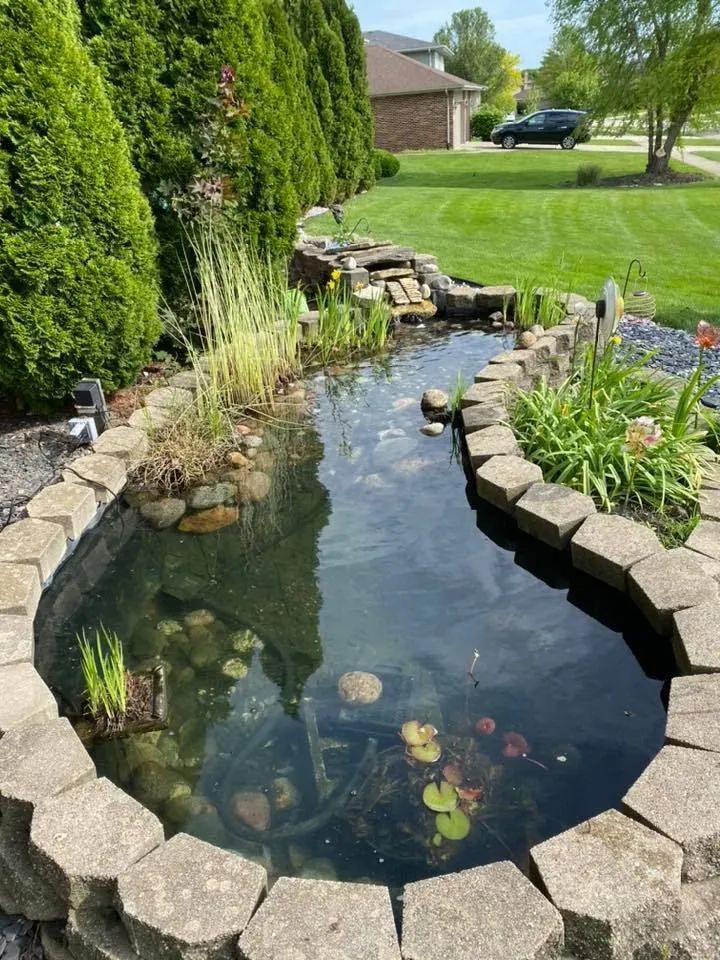
A small, murky pond surrounded by rocks and greenery in a grassy backyard.
January 5, 2026
A healthy, clear pond is a centerpiece of any landscape, offering aesthetic beauty, ecological balance, and a serene environment for wildlife.
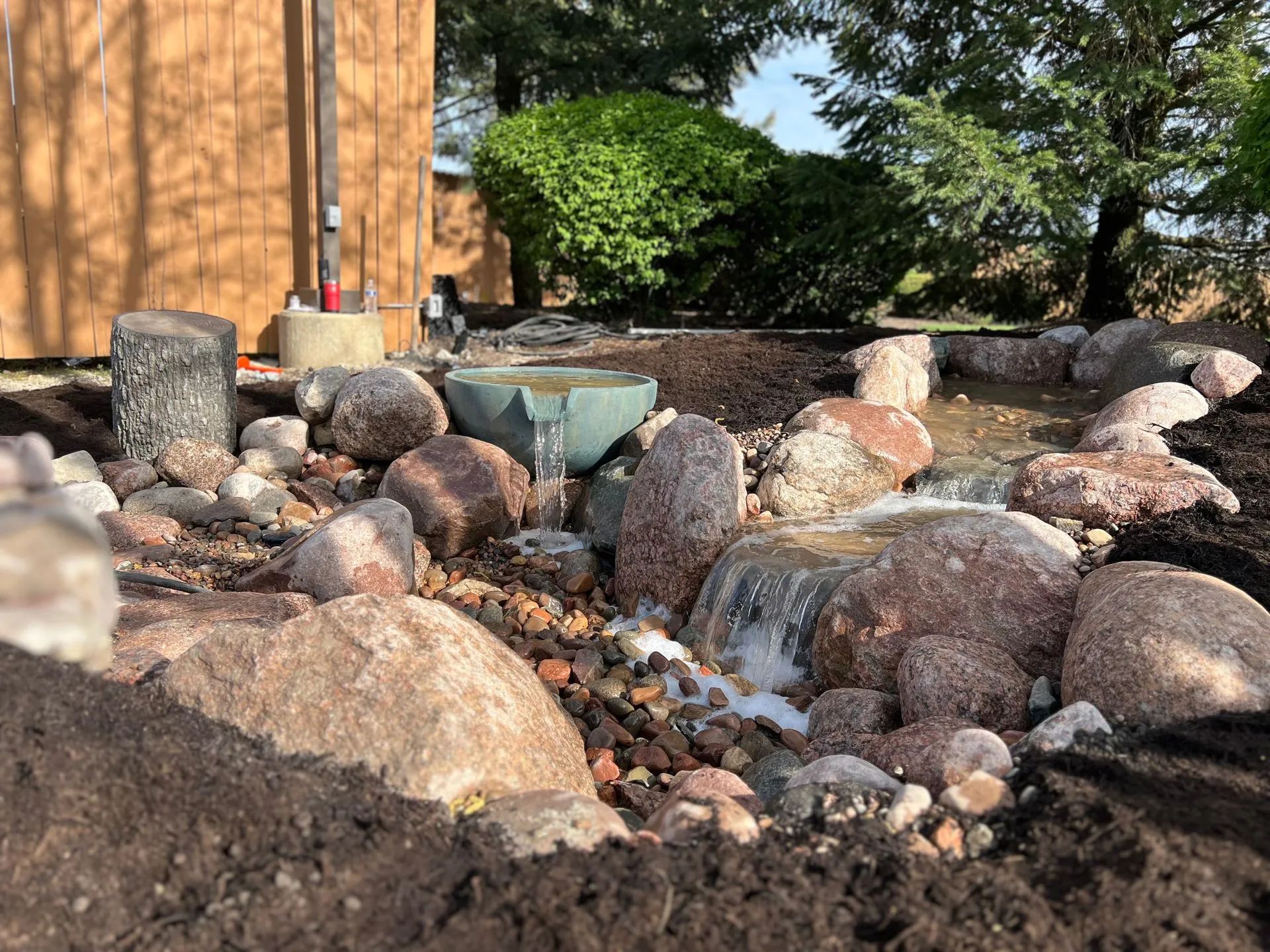
Pond in a garden, surrounded by rocks and lush greenery. A small waterfall and frog statue are present.
December 17, 2025
Water features have long been a hallmark of aesthetically pleasing landscapes, offering both visual appeal and a calming atmosphere. From sprawling backyard ponds to elegant fountains and innovative pondless waterfalls, homeowners and property developers now have multiple options to enhance outdoor spaces.
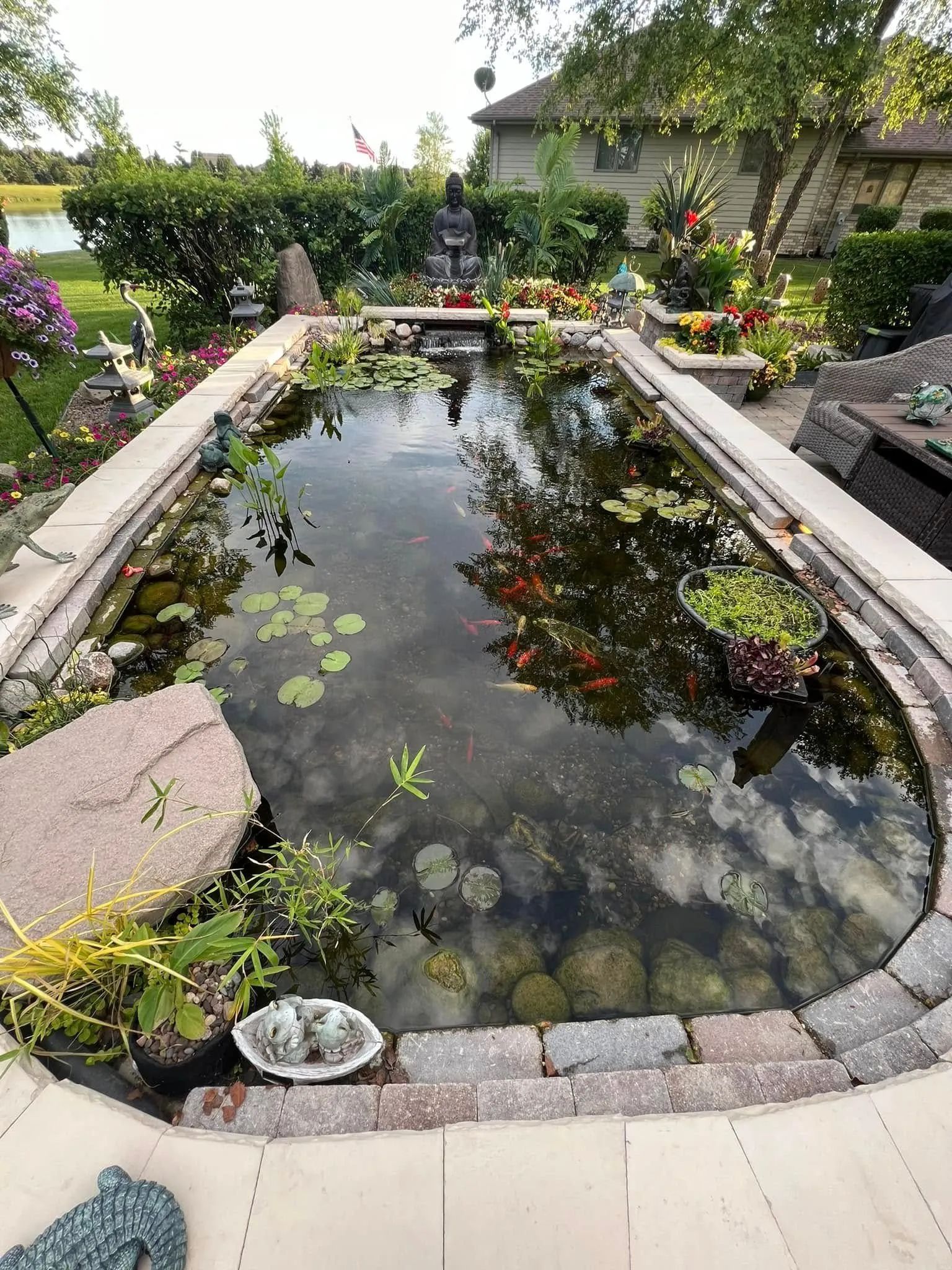
A rectangular stone-lined pond with koi fish, a small waterfall, and surrounding greenery.
November 12, 2025
A backyard pond is more than just a beautiful landscape feature—it’s a miniature ecosystem. Fish, plants, and microorganisms all rely on clean, well-oxygenated water to thrive. Yet many pond owners overlook one crucial component: a filtration system.
Show More
A small, murky pond surrounded by rocks and greenery in a grassy backyard.
January 5, 2026
A healthy, clear pond is a centerpiece of any landscape, offering aesthetic beauty, ecological balance, and a serene environment for wildlife.
Pond in a garden, surrounded by rocks and lush greenery. A small waterfall and frog statue are present.
December 17, 2025
Water features have long been a hallmark of aesthetically pleasing landscapes, offering both visual appeal and a calming atmosphere. From sprawling backyard ponds to elegant fountains and innovative pondless waterfalls, homeowners and property developers now have multiple options to enhance outdoor spaces.
A rectangular stone-lined pond with koi fish, a small waterfall, and surrounding greenery.
November 12, 2025
A backyard pond is more than just a beautiful landscape feature—it’s a miniature ecosystem. Fish, plants, and microorganisms all rely on clean, well-oxygenated water to thrive. Yet many pond owners overlook one crucial component: a filtration system.
Show More